
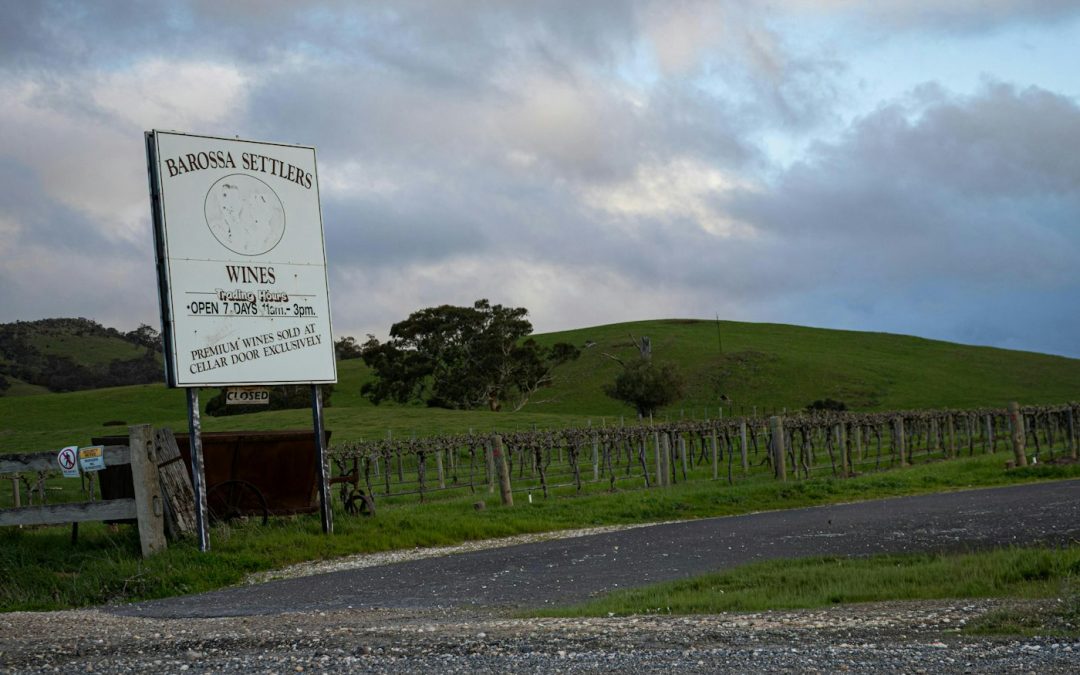
The honest answer to “when should I go to the Barossa?” is that there is no bad time. Each season brings something genuinely different, and the valley holds up well year round. But different times of year suit different types of visitors, and knowing what to expect before you book avoids disappointment.
This guide goes month by month, with the temperature ranges, what is happening in the vineyards, what the crowds are like, and who each window suits best. The climate notes are based on Bureau of Meteorology averages for Tanunda, which is the most useful long-running weather reference for the Barossa floor.
Summer: December to February
What the weather is like: Hot, often very hot. Daytime temperatures regularly hit 30 to 35 degrees Celsius, and the Barossa runs a few degrees warmer than Adelaide, so factor that in. Nights are warm and pleasant, usually around 14 to 17 degrees.
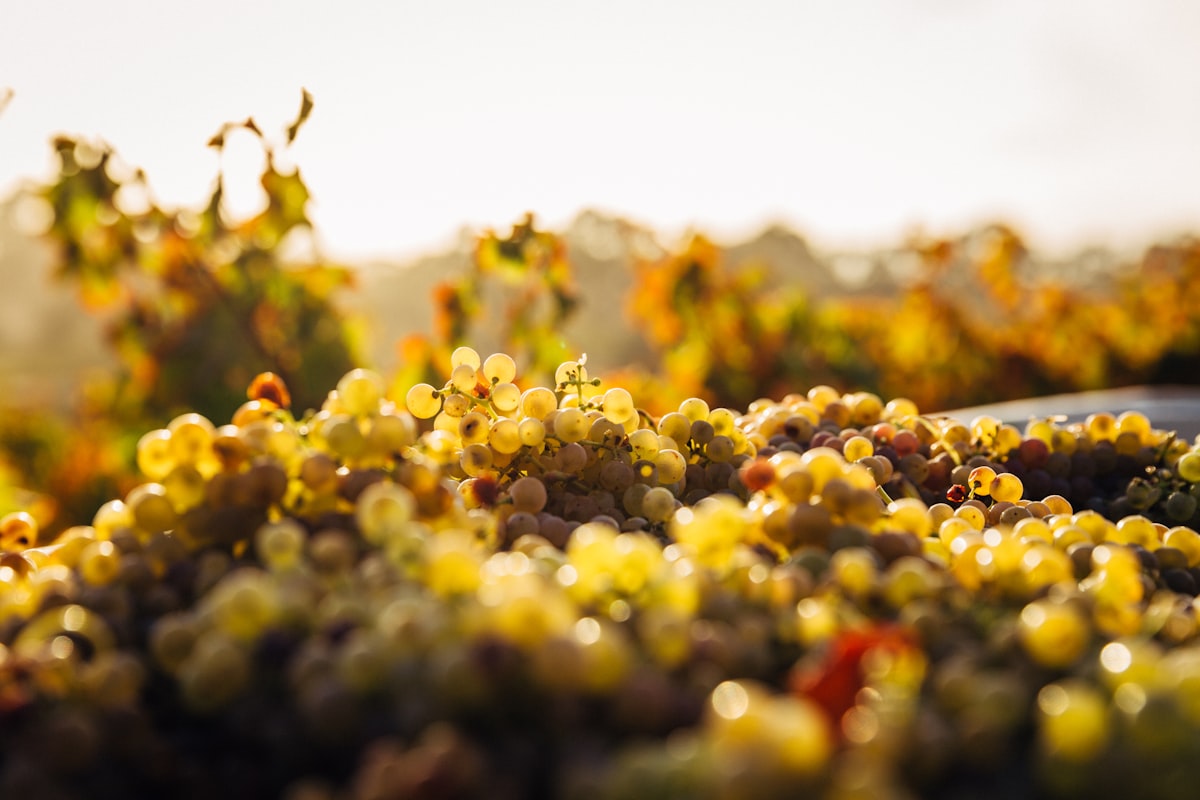
What is happening: The vines are in full leaf and heavy with fruit as the season builds toward harvest. Long golden days invite outdoor dining and early morning vineyard walks before the heat settles in. The energy in the valley picks up as vintage approaches in February.
Crowds: Summer, particularly January and February, is among the busiest periods for the Barossa. Day-trippers from Adelaide are plentiful on weekends, and accommodation fills fast.
December
The vines are lush and green and the valley is gearing up for the festive season. Cellar doors are generally well-staffed and buzzing. Christmas to New Year is busy and popular, so book accommodation and restaurants early if you are visiting then. The evenings are warm enough for outdoor dining without any chill.
January
The hottest month, with average highs around 28 to 30 degrees and some days pushing well above that. If you visit in January, plan your cellar door visits for the morning and save the afternoons for shaded restaurants and indoor tastings. Carry water, wear light clothing, and check the forecast before you go. Extreme heat days do happen in January and they can make outdoor activity uncomfortable.
The upside is that January has more sunshine hours than almost any other month, and the vineyards look spectacular at this time of year.
February
Vintage begins in February for some varieties, and this is when the Barossa starts to hum with the energy of harvest. You may see grape bins in the vineyards, hear machinery running at the wineries early in the morning, and find winemakers less available for long conversations at the cellar door. That is the nature of harvest season.
February is still hot and busy, but the vintage atmosphere adds something you cannot experience at any other time of year. If you are a wine enthusiast who wants to see the region working, February has appeal. Just book everything ahead of time, especially if you want specific tastings from our best Barossa Valley cellar doors guide.
Autumn: March to May
What the weather is like: March is still warm, averaging around 25 degrees during the day, cooling steadily through April (around 21 degrees) and into May (around 17 degrees). Evenings get genuinely cool by May and a layer is needed after dark. Rain begins to arrive more regularly toward the end of autumn.
What is happening: Vintage continues through March and often into April. The vines then begin their dramatic seasonal change, leaves turning from green through yellow, orange, and deep red. By May the colour is at its most vivid.
Crowds: Autumn draws a lot of visitors, particularly in April and May when the colour is peaking and the heat has eased. It is the most popular season for good reason.
Our overall pick: Autumn, particularly April and May, is the best time to visit the Barossa for most people. The weather is comfortable, the landscape is at its most beautiful, the food and wine are at full stretch, and the pace feels right.
March
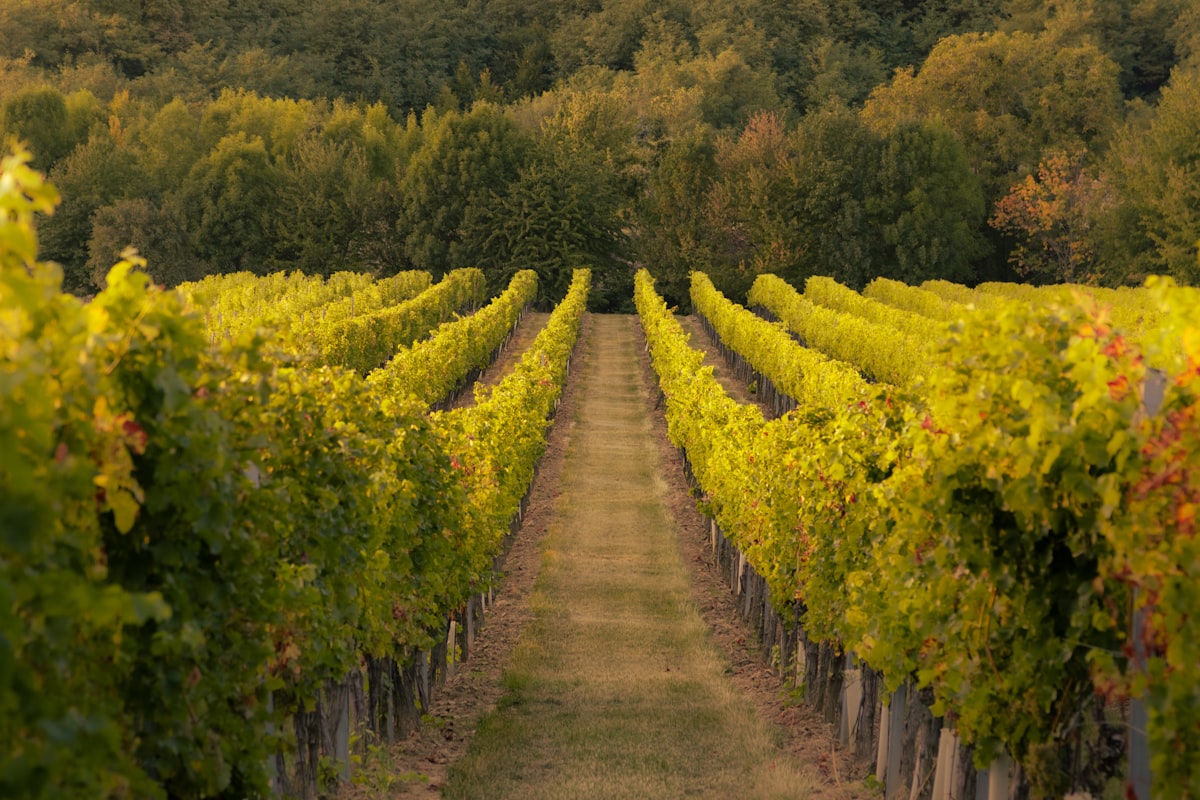
Vintage is still running through most of March and the valley is actively working. Warm days and cool evenings make for ideal tasting conditions, and the first hints of autumn colour begin to appear toward the end of the month. March is busy, particularly on weekends, and some cellar doors run reduced tastings during the heaviest weeks of harvest.
April
April is the sweet spot. The vintage is mostly done, the winemakers have time to breathe again, and the vines begin turning colour in earnest. Daytime temperatures around 21 degrees are comfortable for walking and moving between cellar doors, and the evenings call for a good red in front of a fire.
One important note that many websites get wrong: the Barossa Vintage Festival is held every two years, not annually. The next festival runs from 21 to 25 April 2027. If you are planning a trip around the festival specifically, 2027 is your year. Trips in non-festival Aprils will still encounter a beautiful and lively valley, just without the official program of events.
If this is your first Barossa trip and you want a simple way to structure the day, pair April with our Barossa Valley in One Day itinerary.
May
May is underrated. The autumn colour is at its most dramatic, the crowds thin out compared to April, and cellar doors have time for longer conversations. Days are comfortably cool around 17 degrees, evenings are cold enough to appreciate open fires, and the winery restaurants shift to their heartier autumn menus. This is a good month for a quieter, more personal experience of the Barossa, especially if your trip is built around long lunches and seasonal menus from our Barossa Valley food and wine guide.
Winter: June to August
What the weather is like: Cool and sometimes wet. Daytime temperatures sit between 12 and 16 degrees with nights dropping to 3 to 8 degrees. Rain arrives more regularly from June. The vines are dormant and bare after the autumn leaves have dropped.
What is happening: The winemakers are in the cellar rather than the vineyard, pruning work begins in the vines, olives are harvested, and the valley settles into a quieter, more reflective rhythm. Open fires appear at cellar doors and restaurants.
Crowds: Winter is the quietest season, which for some visitors is exactly the point.
June
The beginning of winter brings a distinct change of mood. The vines are stripped bare, the paddocks are green from the early rains, and the cellar doors are warm and unhurried. If you have ever wanted to visit the Barossa without waiting for a tasting spot or jostling for a table at lunch, June offers that. Bring a warm jacket and boots.
July
The coldest month, with average highs around 14 degrees. Not the weather for long outdoor lunches, but very much the weather for sitting inside a stone cellar with a flight of full-bodied reds while the rain runs down the windows. Some visitors find this the most atmospheric time to experience the valley. Accommodation is at its most affordable and most cellar doors will have ample time for you.
August
August is the tail end of winter and the first hints of what is coming start to appear. The vines remain bare but some early blossom is visible on fruit trees, and the days begin to lengthen noticeably. A good month for visitors who want winter pricing and quiet with a hint of optimism about the season ahead.
Spring: September to November
What the weather is like: Mild and improving. September averages around 17 degrees, October around 21 degrees, November reaches around 25 degrees. The evenings can still be cool in September and October. Occasional rainfall, but mostly clear.
What is happening: The vines wake up in September with budburst, putting out tiny new leaves that give the rows a soft green haze. By October the growth is lush and vivid. Spring is also when fruit trees and canola paddocks bloom around the valley, adding colour well beyond the vineyards.
Crowds: Spring is quieter than summer and autumn, making it a strong choice for visitors who want good weather without the peak-season competition for bookings and tables.
September
Budburst in the vines is genuinely lovely to see. The valley is green in all directions, the mornings are crisp, and the cellar doors are relaxed. September can still be chilly in the evenings so pack layers. Good month for cycling the Barossa Trail or walking in the surrounding hills.
October
October is one of the most pleasant months to visit. Temperatures around 21 degrees are comfortable for a full day outside, the vines are in vigorous growth and photogenic, and the valley is not yet busy with summer visitors. Restaurant and accommodation availability is good. This is a genuinely underappreciated time of year.
November
November warms quickly toward summer and can occasionally see hot days. The vines are leafy and the energy in the valley picks up as summer approaches. A good month for visitors coming from cooler parts of the world who want warmth without the full summer heat. Book accommodation a little ahead as it starts to fill toward the back end of November.
Quick reference: which month suits you?
- For the most beautiful scenery: April and May, when the vines are turning.
- For the full vintage experience: February and March, when the harvest is running.
- For avoiding crowds and saving money: June and July.
- For mild weather and good availability: October.
- For the Barossa Vintage Festival: April 2027 (biennial, next occurrence).
- For a first visit with no strong preference: April is the single best month.
Current planning sources
For weather averages, use the Bureau of Meteorology Tanunda climate table. For event planning, check the official Barossa Vintage Festival site, which lists the next festival for 21 to 25 April 2027. For broader destination planning, the South Australian Tourism Commission Barossa guide is a useful official overview. If you are still deciding how to structure the trip, start with our Barossa Valley wine tours from Adelaide guide and one-day Barossa itinerary.
For more local context, pair this seasonal guide with our Barossa day trip itinerary and Barossa Valley wine tours from Adelaide; use Tanunda and Barossa Farmers Market as practical planning anchors.

Author: Susan
G'day mates! I'm Susan, a feisty Aussie writer with a love for all things quirky and unconventional. When I'm not pounding away at my keyboard, you can find me binge-watching 'The Bold and the Beautiful' (don't judge me), or trying to teach my pet koala how to do the cha-cha. My writing style can best be described as a mix of sass and wit, with a dash of down-under charm. So if you're in the mood for a good time and a good yarn, give my work a read!