
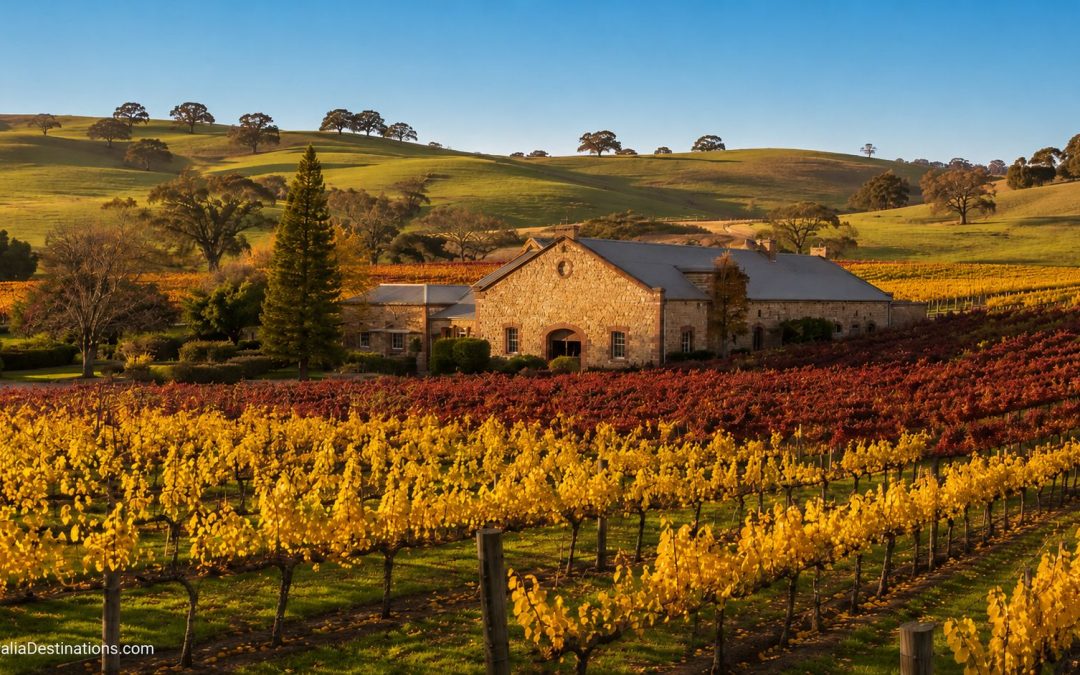
The Barossa Valley is one of the easiest day trips you will ever talk yourself into. It sits about an hour north of Adelaide; the drive is genuinely pretty once you clear the suburbs, and at the end of it waits one of the oldest and most respected wine regions in the world. If you have ever poured yourself a big Australian Shiraz, there is a good chance it started life here.
This guide covers what you actually need to plan the trip: how to get there, whether to drive yourself or book a tour, what a day in the Barossa really looks like, which cellar doors are worth your time, and the best season to go. There is a lot of dated information floating around about this region, so everything here is current as of 2026.
For current trip planning, check the official South Australia Barossa destination guide, the South Australia Barossa places guide, and the Barossa Vintage Festival website before locking in dates, events, and cellar-door bookings.
Getting there from Adelaide
The Barossa is roughly 60 to 75 kilometres northeast of Adelaide, depending on which way you go. Driving yourself takes about an hour on the direct route through Gawler, or closer to 90 minutes if you take the slower scenic road through the Adelaide Hills and Williamstown. Both are good. The scenic route is prettier; the direct route gets you to your first glass sooner.
The three towns at the heart of the region are Tanunda, Nuriootpa, and Angaston, with Lyndoch sitting at the southern entrance. They are all close together, so once you arrive you are never more than 10 or 15 minutes from the next cellar door.
There is also a public transport option if you would rather not drive at all. You can catch a train from Adelaide to Gawler and connect to a local bus into the valley, but it is slow, and it leaves you without a way to move between wineries once you are there. For a wine trip, it is rarely the right choice.
Should you drive yourself or book a tour?
Here is the honest tradeoff. The whole point of the Barossa is the wine, and someone has to stay sober enough to drive home. South Australia’s drink-driving limits are strict, and police do patrol the region, particularly on weekends. So unless you have a willing designated driver, or you plan to spit rather than swallow at every tasting, a guided tour is usually the smarter way to do it.
Driving yourself makes sense if you are staying overnight in the valley, if you want to set your own pace, or if wine is only part of why you are going. You get total freedom over where you stop and how long you linger.
A guided tour makes sense for most first-time visitors. You get picked up, driven between cellar doors by someone who knows the region, and returned to Adelaide at the end of the day with no one having to skip the good stuff. A local guide also gets you into a few places you might not have found on your own, and the better tours handle bookings at cellar doors that now require them.
What a day in the Barossa actually looks like
Most full-day tours from Adelaide follow a similar rhythm, and it is a good one. You are usually collected from the city centre between 8:30 and 9:00 in the morning. After the drive up, you will visit three or four cellar doors across the day, with a long lunch somewhere in the middle, often at a winery restaurant with views over the vines. You are generally back in Adelaide by late afternoon or early evening.
The pace is relaxed on purpose. Tasting is not about rushing through as many wines as possible; it is about slowing down, talking to the people who make the wine, and figuring out what you actually like. Four cellar doors is plenty for one day. Any more and the wines start to blur together.
What is included, and what you pay for separately
This is where it pays to read the tour listing closely, because inclusions vary a lot. Almost every tour covers transport and a guide. Beyond that, the details differ.
- Tasting fees: Some tours include them, some leave you to pay at each cellar door. Most cellar doors charge a small tasting fee these days, often somewhere around 10 to 25 dollars, and many will waive it if you buy a bottle or two.
- Lunch: Some tours build in a winery lunch, others stop somewhere and let you order off the menu at your own cost. If a set lunch matters to you, check before booking.
- Group size: Small-group tours (under about 12 people) feel more personal and move faster. Larger coach tours are cheaper but slower, with more waiting around.
None of this is a catch. It just means two tours at different prices can offer quite different days, so it is worth comparing what each one actually includes rather than booking on price alone.
The best cellar doors to visit
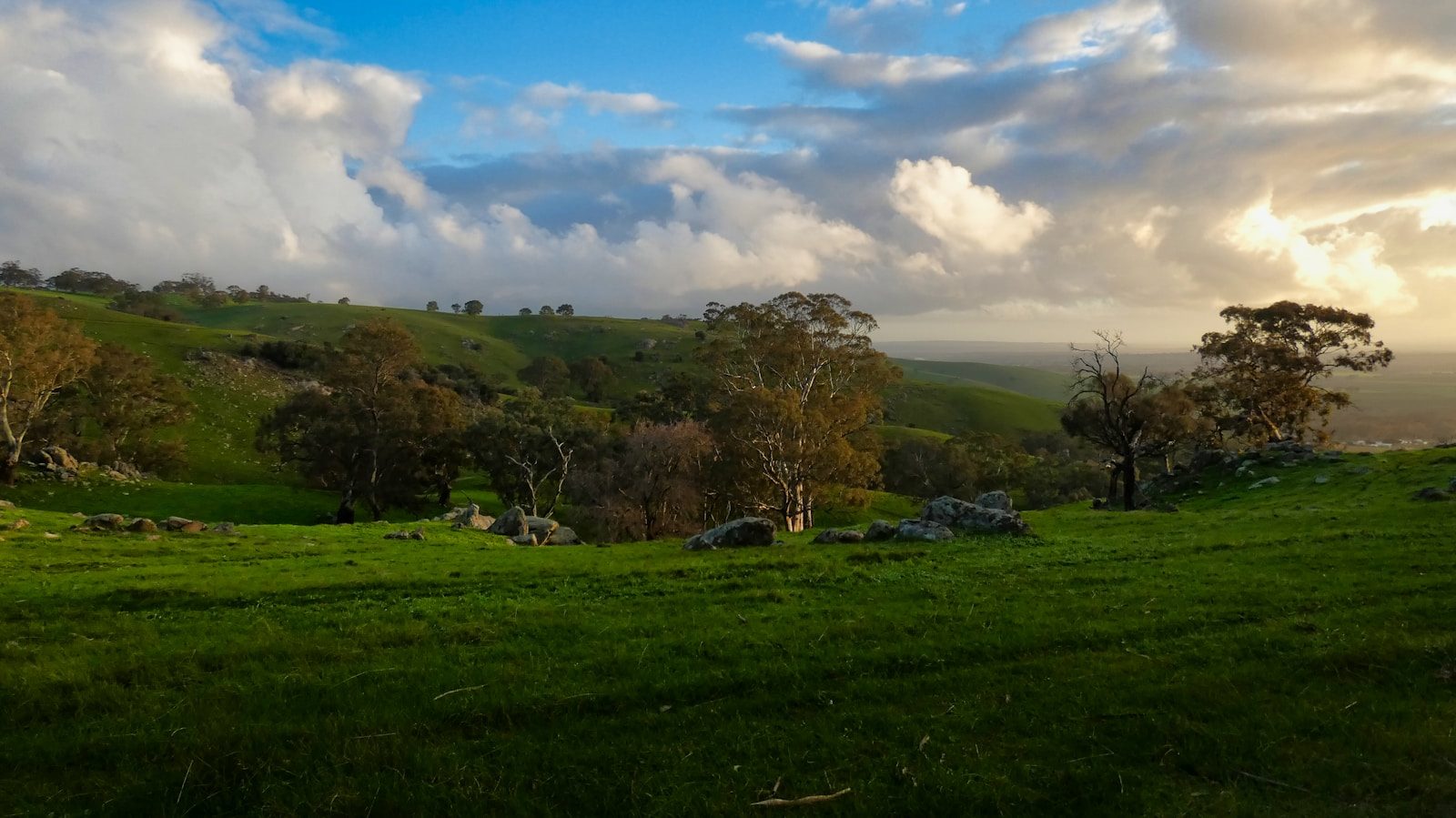
There are well over a hundred cellar doors across the Barossa and Eden Valleys, which is far too many for one trip. Here are the ones worth building a day around, depending on what kind of experience you are after.
For the big names
Penfolds at Nuriootpa is the obvious pilgrimage for serious wine drinkers, home of Grange and famous for its Make Your Own Blend experience. Jacob’s Creek has a polished visitor centre and is an easy, welcoming introduction if you are newer to wine. St Hugo offers a more refined, sit-down tasting in elegant surroundings.
For history
Seppeltsfield is unforgettable. It is best known for its fortified wines, and the Centenary Collection means you can taste a tawny from your own birth year, an unusual thing to be able to do anywhere in the world. Langmeil is home to what is believed to be the oldest surviving Shiraz vineyard on the planet, planted in 1843. Yalumba in Angaston is Australia’s oldest family-owned winery and still very much worth the visit.
For something smaller and more personal
Elderton, Hentley Farm, and Pindarie all offer a warmer, more intimate cellar door experience, often with excellent food and beautiful views. Pindarie in particular is a lovely spot for a relaxed lunch among the vines. These are the kinds of places where you end up chatting with the person pouring your wine, which is half the pleasure of the Barossa.
One small note that trips up a lot of visitors: Henschke, maker of the legendary Hill of Grace, is often listed with the Barossa but actually sits in the neighbouring Eden Valley. It is close, and many tours include both areas, but it is worth knowing if you are planning your own route.
My three picks if you are short on time
If you cannot fit in more than a few stops, these are the three I would send a friend to. I have chosen them for range rather than fame: one for a tasting you cannot do anywhere else, one for a long and easy lunch, and one for the wine itself.
1. Seppeltsfield, for the once-in-a-lifetime tasting.
Seppeltsfield is famous for its fortified wines, and its Centennial Collection is the reason to go. Through the Taste Your Birth Year experience, you can sample a tawny drawn straight from the barrel of the year you were born, which is something you genuinely cannot do at most wineries anywhere in the world. The estate is also the only winery on earth to release a 100-year-old single-vintage tawny every year, and you can taste that on the Centenary Tour. The grounds are grand and historic, with palm-lined drives and the well-regarded FINO restaurant on site if you want to stay for lunch. Dress is smart casual, and tastings here are best booked ahead.
2. Pindarie, for a relaxed lunch with a view.
Pindarie sits at the western edge of the valley on a working farm, with the cellar door built into beautifully restored old stables. It is family-owned, unhurried, and a world away from the polished big-name estates. Come for the seasonal platters and lunches, the rolling views over the vineyards and grazing sheep, and the kind of welcome where you end up chatting with the people who run the place. This is the stop that slows your whole day down in the best way.
3. Langmeil, for the wine itself.
If you came to the Barossa for big, bold Shiraz, Langmeil is the pilgrimage. It is home to what is believed to be the oldest surviving Shiraz vineyard in the world, planted back in 1843, and the Freedom 1843 Shiraz comes off those original vines. The cellar door is friendly and down to earth despite the history under its feet, and the reds are exactly what people picture when they think of this region.
Together these three give you a full sense of the Barossa in a single day: its history, its hospitality, and the wine that made its name. If you are on a guided tour, ask whether your operator can include them, as the better tours will tailor the route.
The best time to visit
Autumn, from March through May, is the standout season. The days are warm without being harsh, the evenings are cool, and the vines turn gold and red across the valley. It is the prettiest time to be there and the most comfortable for moving between cellar doors.
Vintage, which runs roughly from February into April, is the busiest and most energetic time, when the grapes are being picked and the whole region is humming. It is exciting, but it is also hot and crowded, so book ahead if you go then.
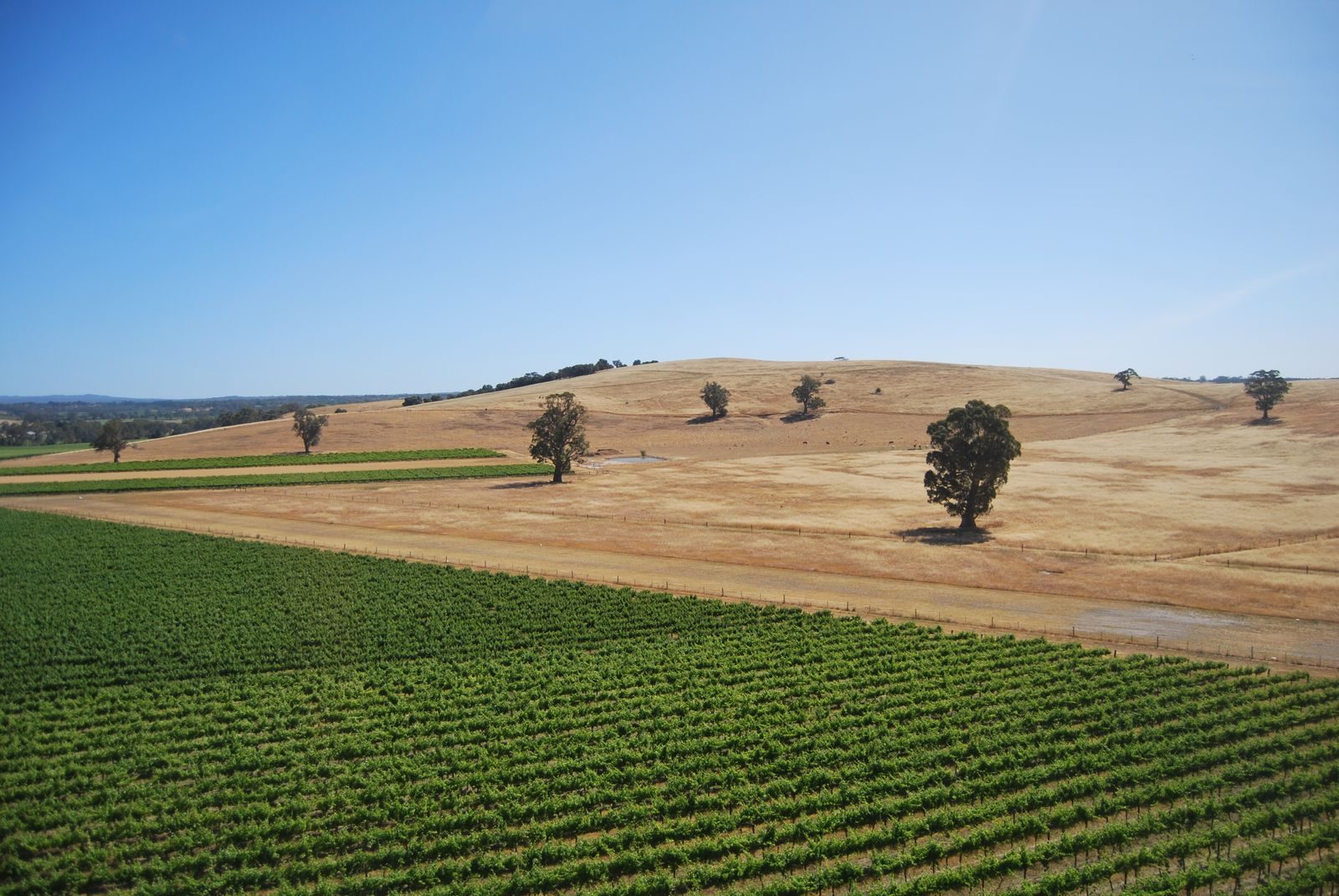
Summer is hot, often very hot, which makes long days outdoors harder work. Winter is quiet and cosy, with open fires at some cellar doors and fewer crowds, and you will sometimes find better availability and the occasional deal.
One thing worth getting right, because a lot of sites get it wrong: the Barossa Vintage Festival is held every two years, not every year. The next one runs from 21 to 25 April 2027. If you are planning a trip specifically around the festival, mark that date, and do not trust any page that suggests it happens annually.
Practical tips before you go
- Book ahead. Many cellar doors now require bookings for tastings, especially on weekends and during vintage. A good tour handles this for you, but if you are driving yourself, call ahead.
- Dress smart casual. Most cellar doors are relaxed, but the premium estates like Seppeltsfield and Penfolds lean a little more polished. You do not need to dress up, just avoid turning up in beachwear.
- Tipping is not expected. Australia does not have a tipping culture the way some countries do. You are welcome to tip for exceptional service, but no one expects it.
- Eat properly. A long lunch is not just enjoyable; it keeps you upright for the afternoon. Pace yourself and drink water between tastings.
- Buy what you love. If a wine stops you in your tracks, buy it there. Many cellar doors can ship within Australia and some ship internationally, which saves lugging bottles home.
How to book the right tour
Tours from Adelaide come in a few broad types, and the right one depends on how you like to travel.
- Small-group day tours are the sweet spot for most people: a guide, transport, three or four cellar doors, and usually lunch, with a group small enough to feel personal. These typically fall in the mid-range price bracket.
- Private and custom tours cost more but let you shape the day around exactly what you want to see. Good for couples, special occasions, or anyone who wants to visit specific wineries.
- Premium experiences pair the tour with extras like a behind-the-scenes winery visit, a long-table lunch, or a tasting masterclass. Worth it if the food and wine are the main event of your whole trip.
Here are a few options at different price points so you can pick what suits you:
Final thoughts
The Barossa rewards a little planning. Decide whether you are driving or booking a tour, pick a season that suits you, choose two or three cellar doors you genuinely want to see rather than trying to cram in everything, and leave room for a long lunch. Do that and you will come home with a few good bottles and a real sense of why this small valley north of Adelaide ended up famous all over the world.
Disclaimer
Information in this article, including prices, tour inclusions, opening hours, and event dates, is provided in good faith and was accurate at the time of writing. Details can change without notice. Please confirm current details directly with tour operators and cellar doors before booking or travelling. Always drink responsibly and never drink and drive. This article contains affiliate links. If you book a tour or experience through one of these links, AustraliaDestinations.com may earn a small commission at no extra cost to you.
© 2026 by AustraliaDestinations.com. All rights reserved. No part of this document may be reproduced or transmitted in any form or by any means, electronic, mechanical, photocopying, recording, or otherwise, without prior written permission.

Author: Susan
G'day mates! I'm Susan, a feisty Aussie writer with a love for all things quirky and unconventional. When I'm not pounding away at my keyboard, you can find me binge-watching 'The Bold and the Beautiful' (don't judge me), or trying to teach my pet koala how to do the cha-cha. My writing style can best be described as a mix of sass and wit, with a dash of down-under charm. So if you're in the mood for a good time and a good yarn, give my work a read!