
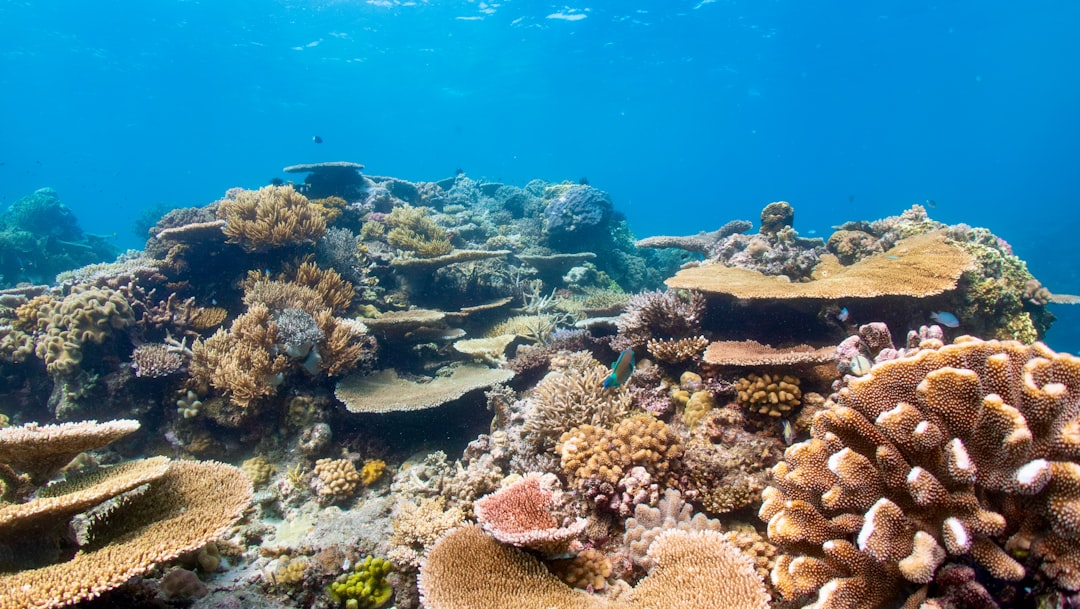
If you’ve ever dreamed of exploring the underwater wonders of the Great Barrier Reef, then “Diving Into The Blue: A Beginner’s Guide To Exploring The Great Barrier Reef” is the perfect article for you. Packed with essential information and tips, this guide is specifically designed for those who are new to diving and eager to delve into the fascinating world beneath the waves. Whether you’re a seasoned traveler or planning your first trip to Australia, this article will provide you with everything you need to know to make your underwater adventure unforgettable. So grab your goggles and get ready to dive into the magical blue of the Great Barrier Reef!
Choosing the Right Time to Visit
Consider the seasons
When planning a trip to the Great Barrier Reef, it’s essential to consider the seasons. The best time to visit is during the dry season, which runs from May to October. During this time, the weather is generally warm, and rainfall is minimal, providing ideal conditions for diving and snorkeling. The wet season, from November to April, brings more rainfall and the possibility of cyclones, which may disrupt your plans and limit visibility underwater.
Check for weather patterns
Before your trip, it’s a good idea to check the weather patterns in the region. You can use various websites, apps, or consult with local experts to get accurate and up-to-date information. Being aware of the current weather conditions will help you plan your activities accordingly and ensure that you make the most of your time on the Great Barrier Reef.
Research peak tourist times
To avoid overcrowding and have a more personalized experience, consider researching peak tourist times. The Great Barrier Reef is a popular destination, and certain times of the year can attract larger crowds. School holidays and long weekends are typically busier, so if you prefer a quieter and more relaxed experience, plan your visit during off-peak times.
Getting There: Traveling to the Great Barrier Reef
Choose your starting point
The Great Barrier Reef is vast, spanning over 2,300 kilometers along the coast of Queensland, Australia. To make your travel easier, start by deciding which part of the reef you want to explore. Cairns, Port Douglas, and the Whitsunday Islands are popular starting points, each offering unique experiences and access to different parts of the reef. Consider your preferences, budget, and desired activities when choosing your starting point.
Decide on transportation
Once you’ve chosen your starting point, you’ll need to decide on the mode of transportation to reach the Great Barrier Reef. Many travelers fly into Cairns for international or domestic connections, or to Hamilton Island for domestic Whitsundays access. From there, you can take a boat, ferry, or scenic flight transfer to your chosen reef or island base. Alternatively, if you prefer a more leisurely journey, you can also opt for a cruise or liveaboard that provides onboard accommodation and activities.
Consider guided tours
If you’re new to diving or want a hassle-free experience, consider booking a guided tour. There are numerous reputable tour operators that offer day trips or multi-day packages to the Great Barrier Reef. Going on a guided tour ensures that you have experienced instructors and guides who can help you navigate the dive sites, provide equipment, and enhance your overall experience with their knowledge and expertise.
Understanding the Great Barrier Reef
Learn about its location and size
The Great Barrier Reef is located off the coast of Queensland, Australia, and stretches from the tip of Cape York in the north to Bundaberg in the south. It is the largest coral reef system in the world, covering an area of approximately 344,400 square kilometers. Familiarize yourself with its location and size to gain a better understanding of the vastness and diversity that awaits you.
Discover its marine biodiversity
One of the main attractions of the Great Barrier Reef is its incredible marine biodiversity. The reef is home to a wide variety of fish, coral species, and other marine organisms. With over 1,500 species of fish and 600 species of coral, you can expect to encounter a mesmerizing array of colors and shapes underwater. Take the time to research the different species you might encounter to make your diving experience even more rewarding.
Understand its ecological importance
Beyond its stunning beauty, the Great Barrier Reef holds immense ecological importance. It supports a complex ecosystem, providing a habitat for countless marine species. The reef also acts as a natural barrier, protecting the coastline from erosion and storms. Understanding the importance of the reef’s delicate balance and the threats it faces, such as climate change and pollution, can inspire you to be a responsible and conscientious visitor.
Preparing for Your Dive
Check your health and fitness
Before embarking on your diving adventure, it’s crucial to check your health and fitness. Diving can be physically demanding, so consult with a medical professional to ensure that you are in good health and able to participate in this activity. Some pre-existing medical conditions or medications may require additional clearance or restrictions, so it’s important to be aware of any potential issues beforehand.
Understand your scuba diving options
You do not need to be a certified diver to experience the Great Barrier Reef underwater. Many reef operators offer supervised introductory dives for first-timers, with safety briefings and close instructor support. If you want to dive more independently or join certified dive trips, complete an open-water certification through an organization such as PADI or SSI before you go. Certification courses typically include theory lessons, pool training, and open-water dives, allowing you to build confidence and competence in diving.
Pack the necessary gear
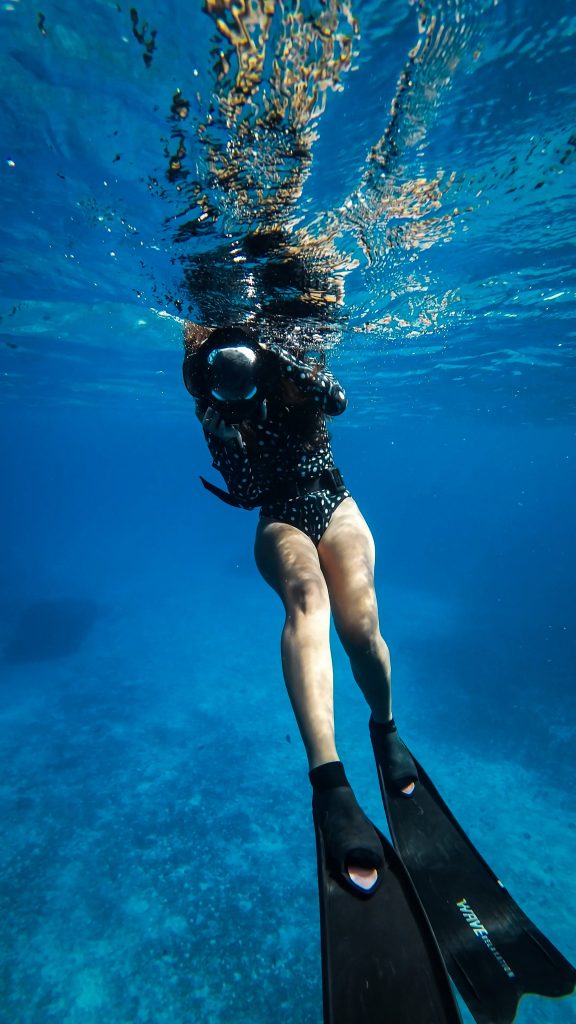
When preparing for your reef day, make sure you understand what gear is included and what you need to bring. Items such as a wetsuit or rash guard, fins, mask, and snorkel are important for comfort and safety, and most dive operators provide rental or included equipment. Certified divers may also use a dive computer, but beginners on guided introductory dives are usually managed closely by the operator. If you bring your own gear, ensure that it is in good condition and meets all safety standards.
Choosing a Dive Operator
Research reputable dive operators
Choosing a reputable dive operator is essential to ensure a safe and enjoyable diving experience. Research the different dive operators in the area you’ll be visiting and look for those with established reputations and years of experience. Check if the operators are licensed and if their instructors are qualified and certified. Reading customer reviews and testimonials can also give you insights into the quality of service and satisfaction levels of previous divers.
Read reviews and testimonials
Before making a decision, take the time to read reviews and testimonials from other divers who have used the services of the dive operators you are considering. These firsthand accounts can give you a glimpse into the overall experience, customer service, and professionalism of the operators. Pay attention to any recurring themes or concerns mentioned in the reviews to help you make an informed choice.
Consider safety records and certifications
Safety should be a top priority when selecting a dive operator. Look for operators with strong safety records and practices. Check if they follow industry standards and protocols, have well-maintained equipment, and conduct regular safety checks. Additionally, consider if they hold any relevant certifications or affiliations that demonstrate their commitment to safety and professionalism.
Exploring the Great Barrier Reef: Dive Sites
Familiarize yourself with popular dive sites
The Great Barrier Reef offers numerous dive sites, each with its own unique features and marine life. Popular liveaboard areas such as the Ribbon Reefs and Cod Hole are known for biodiversity and coral formations, while some longer expeditions continue beyond the Great Barrier Reef to Coral Sea sites such as Osprey Reef. Take the time to familiarize yourself with these options so you can select sites that align with your interests, itinerary, and experience level.
Discover hidden gems
While the popular dive sites are undoubtedly worth exploring, consider asking licensed operators about lesser-known sites that suit the day’s conditions and your ability level. The Great Barrier Reef is vast, and there are many quieter locations that can offer memorable underwater experiences. Always visit these areas with permitted operators and follow zoning, safety, and conservation rules.
Choose the right site for your experience level
When choosing a dive site, it’s important to consider your experience level as a diver. Some sites may have stronger currents or more challenging conditions, which require more advanced skills and experience. Select a site that matches your proficiency level to ensure a safe and enjoyable dive. If you’re a beginner, look for sites that cater to novices and provide supervised dives with experienced instructors.
Diving Etiquette and Conservation Practices
Respect marine life and habitats
When exploring the Great Barrier Reef, it’s essential to respect the marine life and their natural habitats. Avoid touching or disturbing the coral, as it is a fragile living organism. Admire the wildlife from a respectful distance and resist the urge to chase or harass marine creatures. By practicing responsible behavior, you can help preserve the delicate balance of the reef’s ecosystem.
Follow responsible diving practices
To minimize your impact on the reef and maximize your enjoyment, follow responsible diving practices. This includes buoyancy control, proper fin techniques, and avoiding contact with the seabed. Maintain good trim and streamline your equipment to minimize disturbances to the environment. By being a responsible diver, you can protect the reef for future generations to enjoy.
Promote sustainability and conservation
As a visitor to the Great Barrier Reef, you have the opportunity to promote sustainability and conservation. Choose dive operators and tour companies that prioritize environmental protection and support conservation initiatives. Reduce your waste, use reef-friendly sunscreen, and educate yourself and others about the threats facing the reef. By actively engaging in conservation efforts, you can contribute to the long-term preservation of this natural wonder.
Safety Considerations
Understand potential risks and hazards
While diving in the Great Barrier Reef is generally safe, it’s essential to be aware of potential risks and hazards. Understand the common dangers associated with diving, such as decompression sickness, barotrauma, and marine life encounters. Familiarize yourself with the signs and symptoms of these conditions and take appropriate precautions to mitigate the risks.
Be aware of emergency procedures
Prior to diving, ensure that you are knowledgeable about emergency procedures. Dive operators typically provide orientation sessions that cover safety protocols and emergency response plans. Pay close attention during these briefings and clarify any doubts or concerns you may have. Being familiar with emergency procedures will help you respond effectively in case of any unforeseen situations.
Practice proper dive techniques
To ensure your safety underwater, practice proper dive techniques. This includes maintaining good buoyancy control, monitoring your air supply, and regularly checking your dive buddy. Avoid pushing your limits and stay within your comfort zone. By adhering to proper dive techniques, you can minimize the risk of accidents and ensure a smooth and enjoyable dive.
What to Expect Underwater
Encounters with colorful coral reefs
Underwater, you can expect to encounter vibrant and diverse coral reefs. The Great Barrier Reef is home to an array of hard and soft coral species, each displaying unique shapes, sizes, and colors. Prepare to be awestruck by the kaleidoscope of hues and patterns as you explore these underwater gardens.
Spotting a variety of fish species
The reef teems with a vast array of fish species, offering endless opportunities for unforgettable encounters. From tropical clownfish in their anemone homes to majestic manta rays gracefully gliding through the water, you’ll have the chance to witness an incredible diversity of marine life. Keep your eyes peeled for colorful parrotfish, elusive reef sharks, and schools of playful dolphins.
Possibility of seeing larger marine life
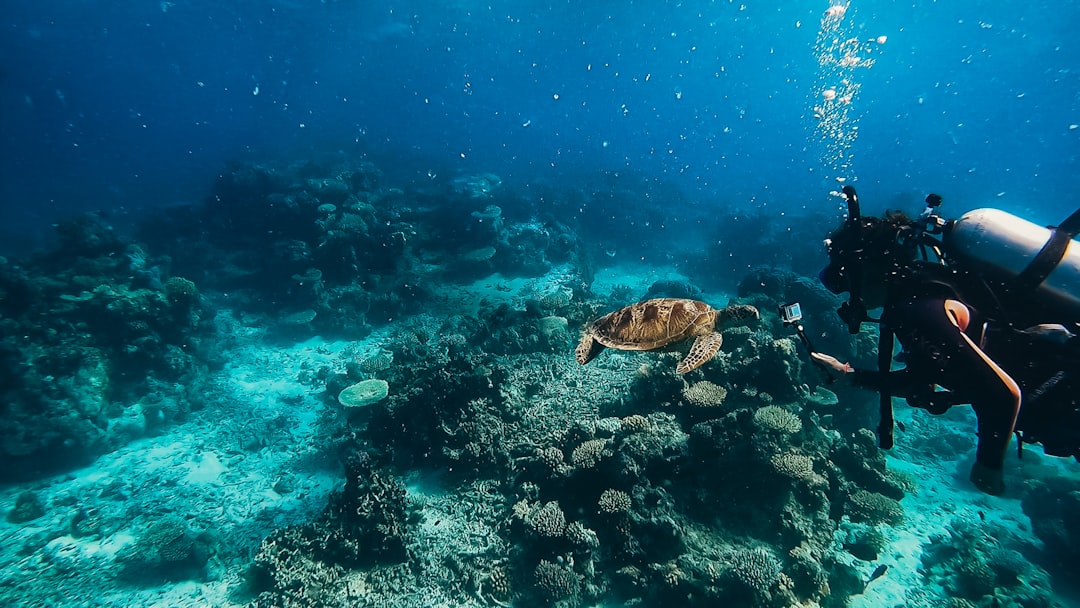
In addition to smaller fish species, there is always the possibility of encountering larger marine life on the Great Barrier Reef. With a bit of luck, you may see sea turtles, reef sharks, rays, dolphins, or seasonal whales in the wider reef region. In the northern reef, some operators also highlight seasonal dwarf minke whale encounters. These sightings are never guaranteed, but they add an extra layer of awe and wonder to a reef experience.
Other Activities and Experiences
Snorkeling opportunities
If diving is not your cup of tea or if you want to complement your diving experience, take advantage of the snorkeling opportunities on the Great Barrier Reef. Snorkeling allows you to explore the shallower areas of the reef, where you can still witness the beauty of the coral and swim alongside a variety of fish species. Snorkeling is a fantastic option for non-divers or those who prefer a more leisurely exploration.
Reef walking and island exploration
In addition to diving and snorkeling, the Great Barrier Reef offers opportunities for reef walking and island exploration. Some areas of the reef emerge at low tide, allowing you to walk on the exposed sand cays and get an up-close look at the marine life in the tidal pools. You can also explore the nearby islands, such as Green Island or Fitzroy Island, and enjoy activities like hiking, kayaking, or simply relaxing on pristine beaches.
Taking scenic flights over the reef
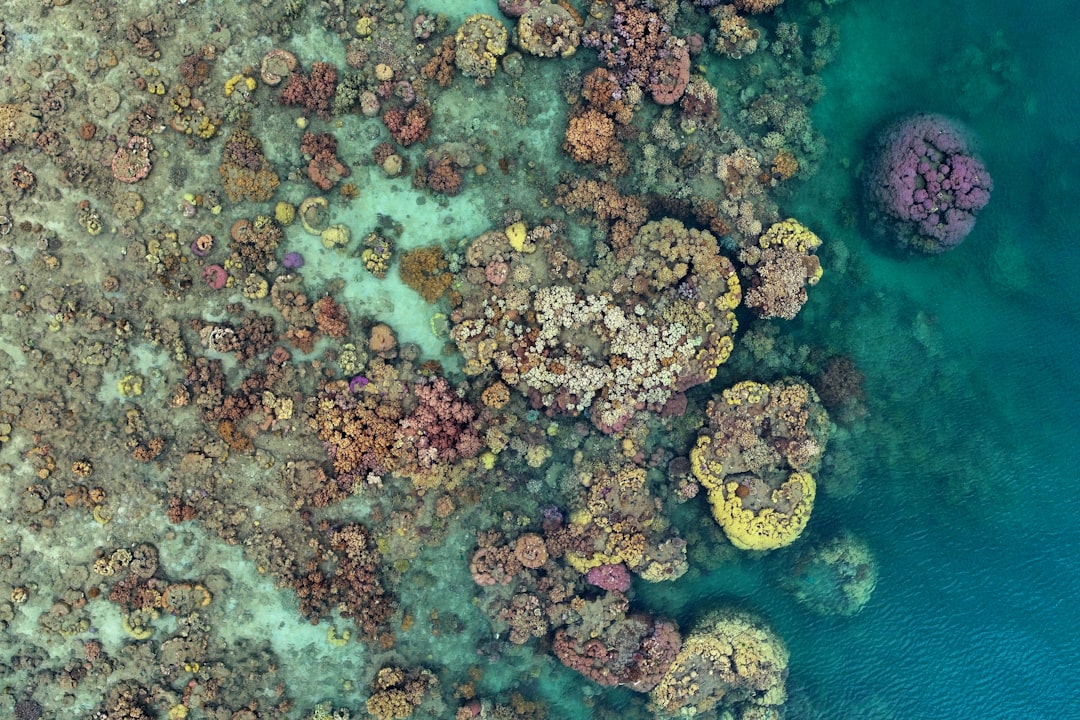
For a breathtaking bird’s-eye view of the Great Barrier Reef, consider taking a scenic flight. These flights provide a unique perspective of the reef’s vast expanse, showcasing its intricate patterns and stunning colors from above. Whether you opt for a helicopter or a fixed-wing aircraft, a scenic flight is a memorable way to appreciate the sheer size and natural beauty of the reef.
By considering the different aspects outlined in this guide, you’ll be well-prepared to embark on a memorable journey to the Great Barrier Reef. Whether you’re a seasoned diver or a beginner, the wonders of the reef await you, offering an incredible opportunity to explore one of the most spectacular natural wonders on Earth.
Official planning resources
For current visitor information, conservation guidance, and local planning details, check these external resources:
- Great Barrier Reef Marine Park Authority
- Tourism Australia Great Barrier Reef guide
- UNESCO Great Barrier Reef listing
To plan the reef beyond one dive trip, read this with Cairns travel guide and Great Barrier Reef islands guide.
For broader trip planning, use our Cairns guide as the gateway page for reef, rainforest, transport, and city-base decisions.

Author: Susan
G'day mates! I'm Susan, a feisty Aussie writer with a love for all things quirky and unconventional. When I'm not pounding away at my keyboard, you can find me binge-watching 'The Bold and the Beautiful' (don't judge me), or trying to teach my pet koala how to do the cha-cha. My writing style can best be described as a mix of sass and wit, with a dash of down-under charm. So if you're in the mood for a good time and a good yarn, give my work a read!