
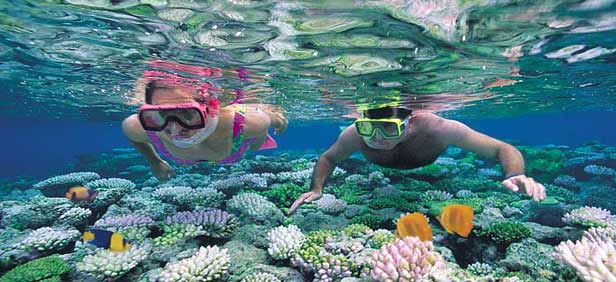
Cairns is a city in Far North Queensland, on the tropical northeast coast of Australia. With a population of 169,000, it is the gateway to two UNESCO World Heritage sites: the Daintree Rainforest, part of the Wet Tropics of Queensland, and the Great Barrier Reef, one of the seven natural wonders of the world. The city was founded in 1876 and named after Sir William Wellington Cairns, following the discovery of gold in the Hodgkinson River. Today, it is one of Australias most popular tourist destinations and the fourth most visited location in Australia by international tourists, after Sydney, Melbourne and Brisbane. The economy of Cairns is based primarily on tourism, healthcare and education, along with a major capacity in aviation, marine and defence industries.
Climate and Best Time to Visit
Cairns has a tropical monsoon climate with two distinct seasons. The dry season runs from May to October, featuring warm, sunny days with low humidity and average temperatures ranging from 18 to 29 degrees Celsius. This is the most popular time for visitors and the best time for diving the Great Barrier Reef, exploring the Daintree Rainforest, and outdoor activities. The wet season runs from November to April, bringing monsoon rains, high humidity, and spectacular thunderstorms. January and February are the wettest months, with average rainfall exceeding 400 millimetres per month. Cairns receives an average annual rainfall of 1,981 millimetres, making it one of the wettest cities in Australia. The wet season also brings the risk of tropical cyclones.
The best time to visit is from May to October (dry season), when the weather is most comfortable for outdoor activities and wildlife viewing. June and July are the coolest months, with minimum temperatures around 17 degrees. Sea temperatures range from 22 degrees in July to 29 degrees in January, making swimming and diving enjoyable year round.
The Great Barrier Reef
The Great Barrier Reef is the largest coral reef system in the world, stretching over 2,300 kilometres along the Queensland coast and covering an area of approximately 344,400 square kilometres. It is composed of nearly 3,000 individual reef systems and 900 islands. Cairns is one of the main departure points for reef tours, with dozens of operators offering day trips, overnight trips, and liveaboard experiences. Popular reef destinations from Cairns include Green Island, a coral cay with a resort and glass-bottom boat tours; Fitzroy Island, a continental island with rainforest walks and snorkelling; and the Outer Barrier Reef, where the coral is most pristine and diverse. Snorkelling, scuba diving, helicopter flights, and semi-submersible tours are all available. The reef is home to over 1,500 species of fish, 400 species of coral, and many species of sea turtles, dolphins, sharks, and whales.
The Daintree Rainforest
The Daintree Rainforest is one of the oldest continuously surviving rainforests on Earth, estimated to be over 180 million years old. It is part of the Wet Tropics of Queensland, a UNESCO World Heritage site covering nearly 9,000 square kilometres. Located about an hour north of Cairns, the Daintree is one of the most biodiverse regions on the planet, home to over 3,000 plant species, 430 bird species, and 30 percent of Australias frog, reptile and marsupial species. The Daintree River Cruise is a popular way to see crocodiles, birds, and snakes in their natural habitat. The Mossman Gorge offers rainforest walks and swimming in crystal-clear waters. The Cape Tribulation section is where the rainforest meets the reef, one of the only places in the world where two UNESCO World Heritage sites meet. The Skyrail Rainforest Cableway, which opened in 1995, is a 7.5-kilometre gondola journey over the rainforest canopy from Cairns to Kuranda, offering spectacular views and rainforest interpretation.
Kuranda and the Atherton Tablelands
The mountain village of Kuranda, located on the Atherton Tableland, is a popular day trip from Cairns. It can be reached by the Skyrail Rainforest Cableway or the Kuranda Scenic Railway, a historic mountain railway built in the 1890s that winds through rainforest and past waterfalls. Kuranda is known for its markets, galleries, and the Australian Butterfly Sanctuary, home to over 1,500 tropical butterflies.
The Atherton Tablelands region offers waterfalls, crater lakes, and rolling green hills. The Curtain Fig Tree, Lake Eacham, and the waterfalls circuit (Millaa Millaa, Zillie, and Mungalli Falls) are highlights. The region is also known for its coffee plantations and dairy farms.
Attractions in and around Cairns
The Cairns Esplanade is the citys focal point, featuring a 4,800-square-metre saltwater swimming lagoon that opened in March 2003, barbecue areas, playgrounds, and walking paths along the waterfront. The Esplanade comes alive with the nightly Sunset markets and is a popular spot for jogging and cycling.
Cairns City Library on Abbott Street is one of the most architecturally distinctive buildings in the city. The Cairns Regional Gallery at the corner of Abbott and Shields Streets features exhibitions of local and national art. The Cairns Botanic Gardens in Edge Hill are open daily and feature free guided tours exploring the tropical plant collections.
The Barron Gorge National Park, located just 15 minutes from the city centre, features the spectacular Barron Falls, which are at their most dramatic during the wet season when millions of litres of water cascade over the cliff face. The gorge can be viewed from the Skyrail gondola or from the Kuranda Scenic Railway.
Fitzroy Island is a 45-minute ferry ride from Cairns and offers a National Park with walking trails, a turtle rehabilitation centre, snorkelling, and the Fitzroy Island Resort. Green Island is a 45-minute catamaran ride away and features a resort, glass-bottom boat tours, and snorkelling.
History and Culture
The Cairns area was originally inhabited by the Gimuy Walubara Yidinji people, who called the area Gimuy. The Yidinji people still claim native title rights in the region. During World War II, Cairns became a staging base for Allied Forces in the Pacific, with US Army Air Forces and Royal Australian Air Force bases, as well as a major seaplane base. Combat missions were flown in support of the Battle of the Coral Sea in 1942. The citys Chinatown on Grafton Street was historically the largest and longest running Chinese community outside Brisbane, established in the 1880s by immigrants from Guangdong Province.
Getting There and Around
Cairns International Airport (CNS) is the seventh busiest airport in Australia and serves direct flights from major Australian cities as well as international destinations including Singapore, Tokyo, Shanghai, and Auckland. The airport is 10 minutes from the city centre. Cairns also has a major cruise ship industry with terminals at Cairns Seaport and Cairns Wharf Complex. Within the city, the Sunbus network covers most suburbs, and the city centre is compact and walkable. Taxis, rideshare services, and rental cars are widely available. The scenic drive north to Port Douglas along the Captain Cook Highway takes about 45 minutes and offers stunning coastal views.
The Cairns Botanic Gardens in Edge Hill are one of the finest tropical botanic gardens in Australia, featuring collections of palms, cycads, orchids, and rainforest plants. The gardens are open daily and offer free guided tours at 10am and 1pm. The adjacent Centenary Lakes provide walking tracks, birdwatching, and a peaceful escape from the city.
The Tjapukai Aboriginal Cultural Park, located near the Skyrail terminal at Caravonica, offers immersive experiences of Aboriginal culture including traditional dance, boomerang and spear throwing, bushfood tastings, and didgeridoo performances. The park tells the story of the Djabugay people, the traditional owners of the rainforest region around Cairns.
For adventure activities, Cairns is known as the adventure capital of Australia. White water rafting on the Tully River and Barron River, bungy jumping at the AJ Hackett Cairns facility, skydiving over the reef and rainforest, hot air ballooning over the Atherton Tablelands, and jungle surfing zipline tours are all available. The citys location surrounded by reef, rainforest, and mountains makes it a hub for outdoor adventure.
Palm Cove, located 25 minutes north of Cairns along the Captain Cook Highway, is a sophisticated beachside village with a palm-lined esplanade, boutique resorts, and award-winning restaurants. It is one of the most luxurious accommodation areas in Far North Queensland. Further north, Port Douglas is a 45-minute drive and offers a charming village atmosphere, the famous Four Mile Beach, and its own access to the reef and rainforest.

Author: Susan
G'day mates! I'm Susan, a feisty Aussie writer with a love for all things quirky and unconventional. When I'm not pounding away at my keyboard, you can find me binge-watching 'The Bold and the Beautiful' (don't judge me), or trying to teach my pet koala how to do the cha-cha. My writing style can best be described as a mix of sass and wit, with a dash of down-under charm. So if you're in the mood for a good time and a good yarn, give my work a read!