
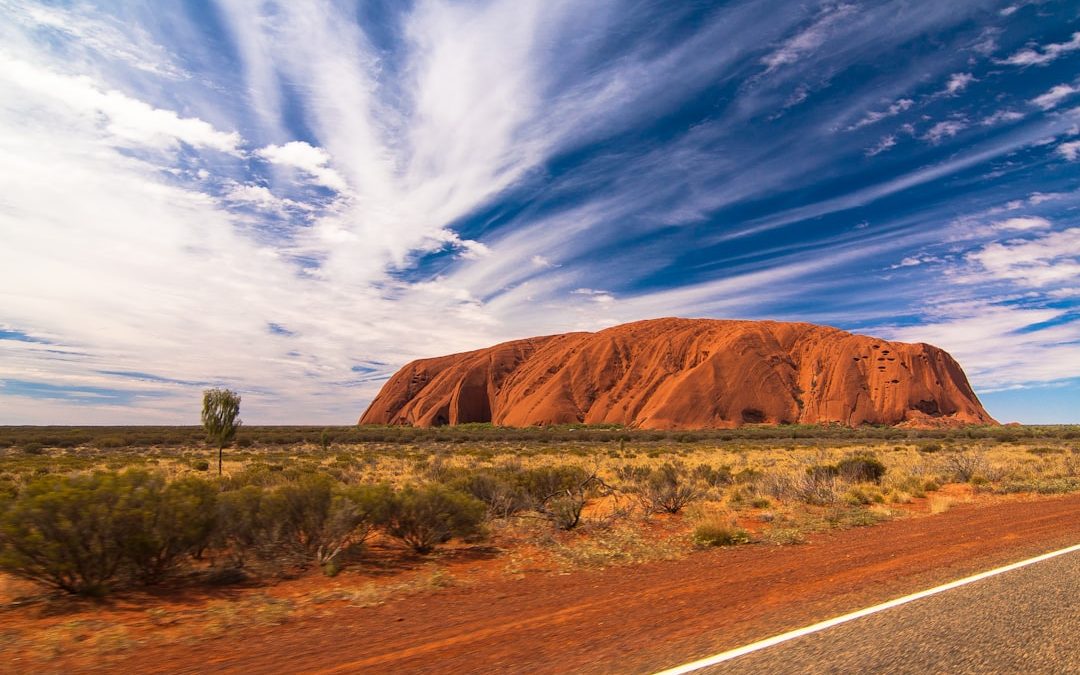
Uluru is one of Australia’s most recognisable landscapes, but it is also a living cultural place with deep meaning for Anangu, the Traditional Owners of Uluru-Kata Tjuta National Park. A visit is best approached with time, care, and respect: learn the cultural context, stay on marked paths, follow local guidance, and plan around the desert climate. This guide outlines the practical choices and cultural considerations that shape a thoughtful trip to Uluru.
Uluru: An Introduction
Uluru, also known as Ayers Rock, sits in the heart of the Red Centre within Uluru-Kata Tjuta National Park. The sandstone monolith rises from flat desert country and is recognised for both its geology and its cultural importance. For visitors, the best experiences combine careful planning with respect for Anangu knowledge, park rules, and the fragile desert environment.
A brief background
Uluru has a rich geological history that dates back millions of years. It was formed through the process of erosion, which gradually exposed the sandstone bedrock beneath the earth’s surface. The imposing monolith that we see today stands at a towering height of 348 meters (1,142 feet) and stretches over 9 kilometers (5.6 miles) in circumference.
Significance to the Indigenous people
To truly understand and appreciate Uluru, it is essential to recognize its profound significance to the Indigenous people of Australia. The Anangu, the traditional owners of the land, have a deep spiritual connection to Uluru and consider it a sacred site. For thousands of years, they have passed down stories, rituals, and wisdom relating to this ancient rock formation, preserving their rich cultural heritage.
Getting to Uluru
Choosing a mode of transportation
Most visitors reach Uluru by flying to Ayers Rock Airport or by driving through Central Australia. The right choice depends on your time, budget, and comfort with long-distance outback travel.
Flight options
If you prefer a quicker and more convenient journey, flying to Uluru is a popular choice. Ayers Rock Airport (also known as Connellan Airport) is located just 15 kilometers (9.3 miles) from Uluru, making it easily accessible. Several major airlines operate flights to this airport, both from major cities within Australia and internationally.
Driving options
Driving to Uluru gives you a clearer sense of Central Australia’s scale, but it requires preparation. The common route from Alice Springs is about 450 kilometers (280 miles), and the drive usually takes around 4.5 to 5 hours without long stops. Carry water, check fuel distances, avoid driving at dawn or dusk where possible, and confirm rental conditions before taking a vehicle into remote areas.
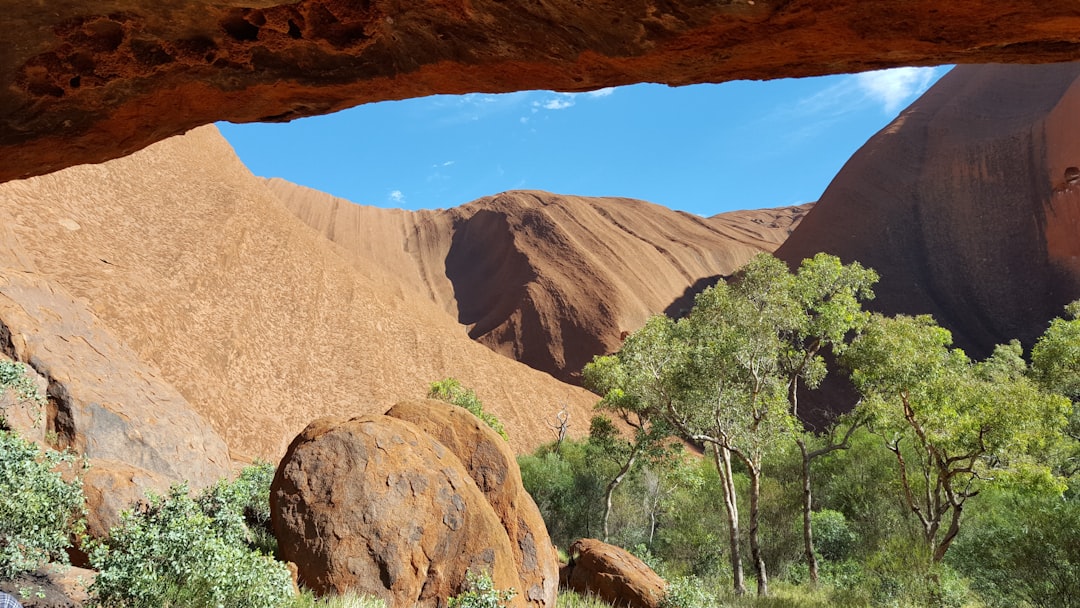
Accommodation
Resorts and hotels near Uluru
Accommodation near Uluru is concentrated around Yulara, the resort township outside the national park. Options range from hotels and apartments to campground facilities, so it is worth booking early during school holidays and peak dry-season travel periods.
Camping and glamping options
Camping can be a good option for travellers who want a simpler base and clear night skies, but it still needs practical planning. Desert temperatures can swing sharply between day and night, and summer heat can make walking unsafe outside the cooler parts of the day.
Exploring Uluru
Guided tours
A guided walk or cultural tour can add useful context, especially for first-time visitors. Choose operators that follow park guidance, explain why some places should not be photographed, and help visitors understand the landscape without treating sacred stories as tourist entertainment.
Self-guided exploration
Self-guided walking is also possible on marked trails in Uluru-Kata Tjuta National Park. Stay on the designated routes, read the signs carefully, avoid restricted photography areas, and start early in hot weather. The base walk is rewarding, but it should be paced with water, sun protection, and respect for closures.

The Cultural Significance of Uluru
Importance to Aboriginal people
Uluru holds immense cultural significance to the Anangu people. It is a place deeply intertwined with their creation stories, spiritual beliefs, and ongoing cultural practices. For the Anangu, Uluru is not merely a physical rock formation but a living entity that embodies their ancestors and serves as a connection between the past, present, and future.
Tales and legends associated with Uluru
Uluru is rich in tales and legends that have been passed down through generations. These stories speak of ancestral beings shaping the landscape, creating waterholes, and bestowing knowledge and law upon the Anangu. Each crevice, curve, and marking on Uluru tells a story, and understanding these narratives allows visitors to develop a deeper appreciation for the cultural and spiritual significance of this ancient rock.
Tjukurpa: Aboriginal Creation Stories
Understanding the Dreamtime
To comprehend the stories associated with Uluru, one must grasp the concept of the Dreamtime, also known as Tjukurpa. The Dreamtime is a central aspect of Aboriginal culture and refers to the period when ancestral beings created the world and laid down the laws and customs that continue to guide Indigenous peoples today. It is a complex framework of spiritual relationships, morals, and responsibilities that governs their way of life.
Elements of Tjukurpa relating to Uluru
Uluru features prominently in many creation stories within the Tjukurpa. Each distinct rock formation, cave, or natural feature is believed to have been created or influenced by ancestral beings during the Dreamtime. These stories serve as a reminder of the ancestral journeys, powerful forces, and sacred rituals that are integral to Aboriginal culture. By learning about these elements of the Tjukurpa, visitors can gain a profound understanding of Uluru’s cultural and spiritual significance.
Kata Tjuta: The Olgas
Exploring the rock formations
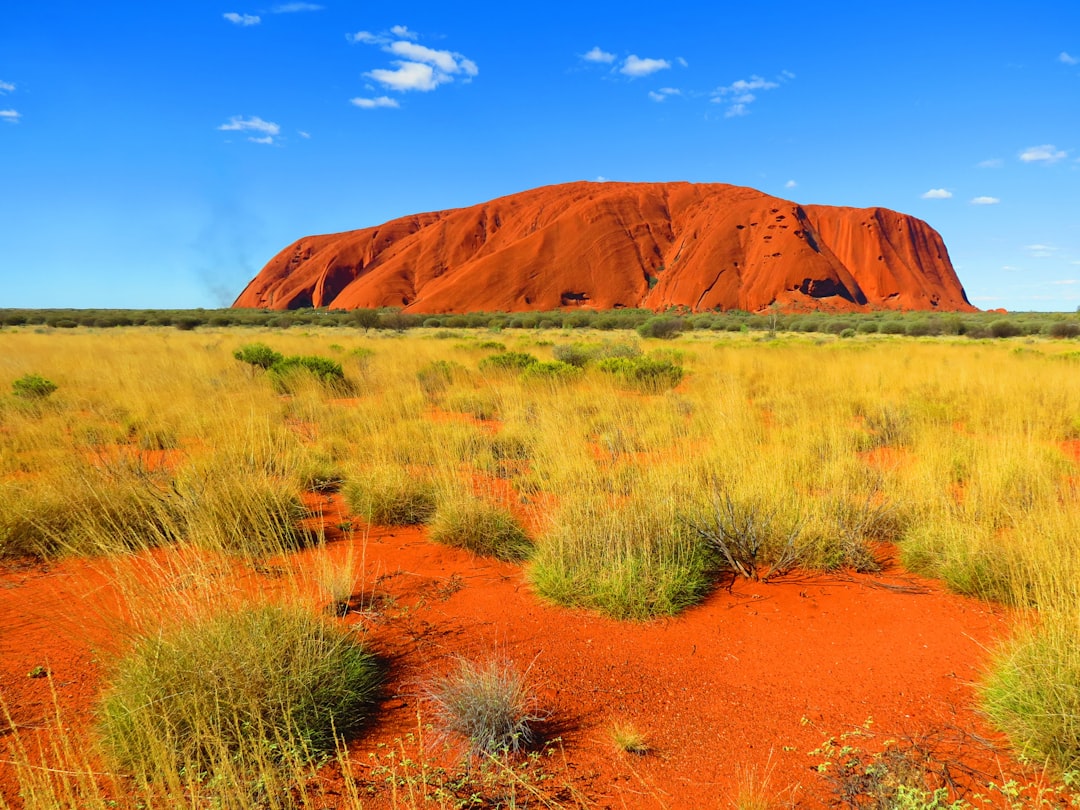
In close proximity to Uluru lies an equally captivating formation known as Kata Tjuta, or the Olgas. Comprising 36 domed rock formations, Kata Tjuta offers a striking contrast to the solitary grandeur of Uluru. Visitors have the opportunity to explore the various walking trails within the national park and witness the breathtaking beauty of these ancient conglomerate rock formations up close.
Cultural connections to Uluru
Like Uluru, Kata Tjuta holds significant cultural connections for the Anangu people. It is believed to be a sacred men’s area where important ceremonies and initiations take place. The unique geological formations of Kata Tjuta and its connection to the Tjukurpa make it a site of great cultural and spiritual importance, reinforcing the enduring links between the Anangu and their ancestral lands.
Sunrises and Sunsets at Uluru
Witnessing the magical moments
Sunrise and sunset are popular because the changing light brings out different colours in the rock and surrounding desert. They are also busy times, so use the designated viewing areas, allow extra time for parking, and avoid stepping off marked paths for a clearer photo.
Best viewpoints for sunrise and sunset
To fully appreciate the mesmerizing colors and the changing landscape, there are several designated viewpoints that offer the perfect vantage points for sunrise and sunset. The popular viewing areas include the Uluru-Kata Tjuta Cultural Centre, Talinguru Nyakunytjaku, and the designated sunset viewing areas. Remember to arrive early to secure a good spot and be prepared for large crowds during peak seasons.
The Field of Light
An immersive art installation
Field of Light Uluru, created by artist Bruce Munro, is a large-scale installation of illuminated stems set in the desert near Uluru. It is a popular evening activity and should be booked in advance during busy travel periods.
Nighttime experiences and tours
To fully immerse yourself in the magic of the Field of Light, various nighttime experiences and tours are available. From guided walks through the installation to exclusive dining experiences under the stars, these nighttime activities provide a unique opportunity to witness this captivating artwork in all its glory.
Respecting Culture and Nature
Guidelines for visitors
When visiting Uluru, it is crucial to respect the cultural traditions, customs, and beliefs of the Anangu people. Follow the guidelines set by the national park authorities, such as staying on designated paths and refraining from touching or climbing Uluru, as it is considered disrespectful to the Indigenous community. Remember to carry out any trash and leave no trace behind, ensuring the preservation of this sacred landscape for future generations.
Preservation and conservation efforts
Uluru-Kata Tjuta National Park is committed to preserving the natural and cultural heritage of the region. Through conservation initiatives, educational programs, and partnerships with local Indigenous communities, efforts are underway to ensure the protection and sustainability of this extraordinary landscape. As visitors, we have a responsibility to support and contribute to these efforts by being mindful of our impact on the environment and engaging with the cultural experiences offered with respect and appreciation.
A good Uluru trip is not about rushing from viewpoint to viewpoint. It is about understanding where you are, following cultural and environmental guidance, and giving the landscape enough time to make sense. With careful planning, respectful behaviour, and realistic expectations, Uluru can be one of the most meaningful stops in Central Australia.
Official planning resources
For current visitor information, conservation guidance, and local planning details, check these external resources:
- Uluṟu-Kata Tjuṯa National Park
- Northern Territory Uluṟu destination guide
- UNESCO Uluṟu-Kata Tjuṯa listing
For broader Northern Territory planning, read this together with our Darwin travel guide. Related Uluru walking and sunrise guides are scheduled to be added as they go live.

Author: Susan
G'day mates! I'm Susan, a feisty Aussie writer with a love for all things quirky and unconventional. When I'm not pounding away at my keyboard, you can find me binge-watching 'The Bold and the Beautiful' (don't judge me), or trying to teach my pet koala how to do the cha-cha. My writing style can best be described as a mix of sass and wit, with a dash of down-under charm. So if you're in the mood for a good time and a good yarn, give my work a read!