
Introduction
Australia’s Bicentennial Park is a 40-hectare (99-acre) suburban parkland located at Sydney Olympic Park, approximately 16 kilometres west of the Sydney central business district in the suburb of Homebush Bay. The park was officially opened in January 1988 to commemorate 200 years since the arrival of the First Fleet in Australia. Situated on the shores of Homebush Bay, the park is part of the larger Sydney Olympic Park precinct and is a natural heritage site featuring an important wetland ecosystem and extensive parklands. It is operated by the Sydney Olympic Park Authority and is open from sunrise to sunset every day of the year.
Location and Setting
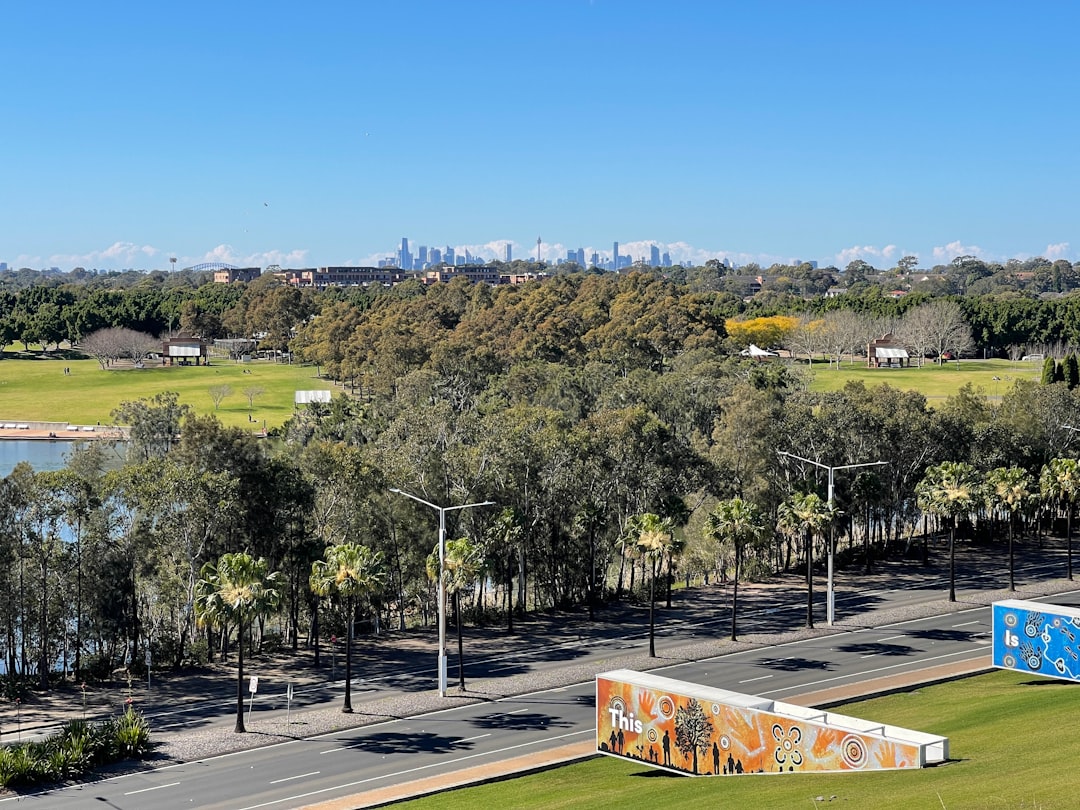
Bicentennial Park lies within the local government area of the City of Parramatta, on the traditional lands of the Wangal clan of the Darug people. The park is bordered by Homebush Bay to the east, the Main Northern railway line to the west, and is adjacent to the Sydney Olympic Park athletic centre and the Archery Centre. Its location within the Sydney Olympic Park precinct places it within one of Sydney’s most significant sporting, recreational, and event districts. The park is easily accessible by road, train, and ferry, with Sydney Olympic Park railway station and the Parramatta River ferry wharf both within walking distance.
Wetland Ecosystem
One of the most significant features of Bicentennial Park is its constructed wetland system, which is one of the largest in the Southern Hemisphere. The wetland was created to treat stormwater runoff from the Sydney Olympic Park site before it enters Homebush Bay and the Parramatta River. The wetland system consists of a series of ponds, reed beds, and channels that naturally filter pollutants and sediments from the water. This ecosystem has become a haven for wildlife, particularly waterbirds. Birdwatchers can spot species including the Australasian bittern, black swans, Pacific black ducks, purple swamphens, and various species of herons and egrets. The wetland also supports frogs, turtles, and fish, making it a valuable urban conservation area. Interpretive signage throughout the park explains the wetland’s function and the species that inhabit it.
Features and Facilities
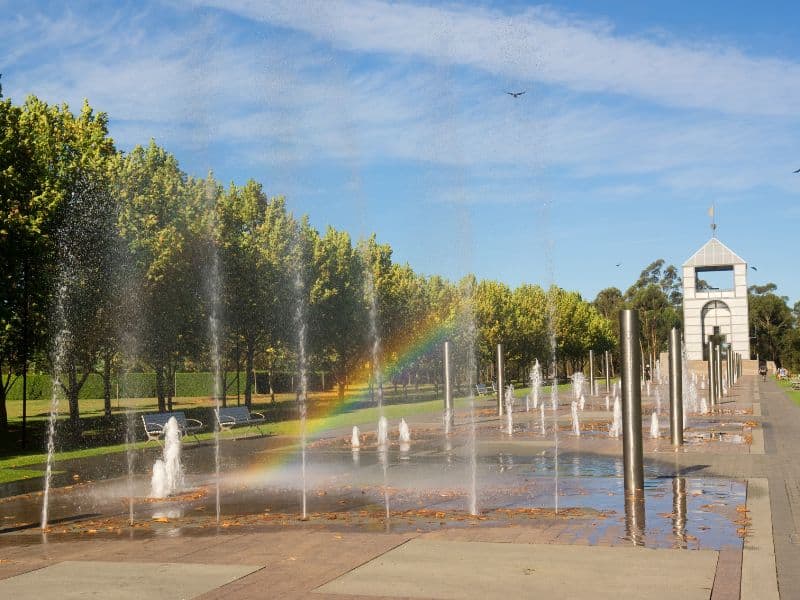
Bicentennial Park offers a wide range of features and facilities for visitors of all ages. The central fountain is one of the park’s most recognisable landmarks, creating a dramatic water feature that is especially impressive when illuminated. The park has extensive walking and cycling paths that wind through the wetlands, along the waterfront, and through open grasslands. These paths connect to the broader Sydney Olympic Park shared path network, which extends for over 35 kilometres. The park also features a large children’s playground with modern equipment, picnic areas with electric barbecues, shaded shelters, and public toilets. Several fitness stations are located along the walking paths, and the open grassy areas are perfect for sports, yoga, or simply relaxing. The park’s elevated boardwalks over the wetlands provide excellent vantage points for photography and wildlife observation.
Events and Activities
Bicentennial Park hosts a variety of events throughout the year, including outdoor fitness classes, community festivals, and environmental education programs. The park is a popular location for jogging, cycling, rollerblading, and dog walking, with designated off-leash areas. The Sydney Olympic Park Authority runs regular guided walks and birdwatching tours that explore the wetland ecosystem. School groups frequently visit for environmental education programs that teach about water conservation, wetland ecology, and urban biodiversity.
Flora and Fauna
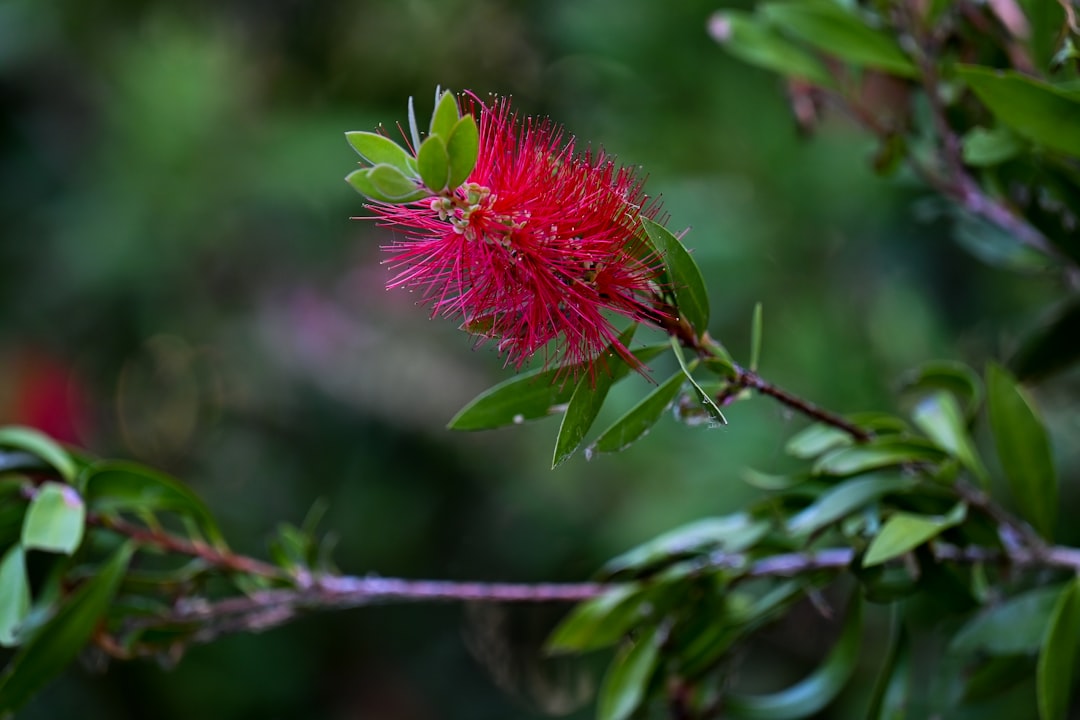
The park’s diverse habitats support a rich variety of plant and animal life. The wetland areas are planted with native reeds, rushes, and sedges that provide habitat and natural water filtration. The parklands feature eucalypt trees, paperbarks, and flowering shrubs that attract native birds and insects. The park’s location on a key migratory bird route means that during spring and autumn, a range of migratory shorebirds can be spotted resting and feeding in the wetlands. The park has recorded over 150 bird species, making it one of the best urban birdwatching locations in Sydney.
Nearby Attractions
Bicentennial Park is part of the larger Sydney Olympic Park precinct, which offers many additional attractions. The ANZ Stadium, Qudos Bank Arena, and Sydney Olympic Park Aquatic Centre are all nearby and host major sporting and entertainment events. The nearby Brickpit Ring Walk offers a unique elevated walkway over a former brick quarry that is now a frog habitat. The Armory Wharf Cafe and the park’s own kiosk provide refreshments. The park is also close to the Newington Armory, a historic military site that has been converted into an arts and events space. For those looking to extend their visit, the Parramatta River ferry service provides a scenic connection to both Parramatta and Circular Quay in the Sydney CBD.
Getting There
Bicentennial Park is easily accessible by public transport and car. Sydney Olympic Park railway station is served by regular trains from the Sydney CBD and Parramatta, and is approximately a 10-minute walk from the park. The Sydney Olympic Park ferry wharf on the Parramatta River connects to Circular Quay via the RiverCat service and is a short walk from the park’s northern entrance. By car, the park is accessible via the M4 Motorway and Homebush Bay Drive, with parking available at the P10 carpark on Dawn Fraser Avenue, as well as several other carparks throughout Sydney Olympic Park. Parking fees apply during major events, but parking is free at most other times.
Best Time to Visit
Bicentennial Park is beautiful year-round, but the best times to visit are spring (September to November) and autumn (March to May), when temperatures are mild and the wetlands are at their most active with birdlife. Spring brings wildflowers and nesting birds, while autumn offers comfortable temperatures for walking and cycling. Summer can be hot, but the park’s shade trees and waterfront location provide some relief. Winter is quiet and peaceful, with the wetland often hosting larger numbers of waterbirds. Early morning and late afternoon are the best times for birdwatching and photography, when the light is soft and the wildlife is most active.
Picnicking and Family Activities
Bicentennial Park is one of the best spots in Sydney for a family picnic. The park has multiple designated picnic areas with electric barbecues, sheltered tables, and proximity to the children’s playground. The large grassy areas are ideal for ball games, frisbee, and kite flying. On weekends, the park is popular with families, joggers, and cyclists. The flat, well-maintained paths are also suitable for prams and wheelchairs, making the park accessible to visitors of all ages and abilities. The park’s kiosk offers coffee, ice cream, and light refreshments, or visitors can bring their own picnic supplies and enjoy a meal with views of the wetland and fountain.
Sustainability and Education
The wetland system at Bicentennial Park is not only a beautiful feature but also a working model of sustainable urban water management. The park processes stormwater from a 230-hectare catchment area, treating it through natural biological processes before releasing it into Homebush Bay. The Sydney Olympic Park Authority runs regular educational programs for schools and community groups that teach about water conservation, wetland ecology, and the importance of urban green spaces. The park demonstrates how urban development and environmental conservation can work together, setting a benchmark for sustainable park design in Australia. The success of the Bicentennial Park wetland has inspired similar projects across the country.
History
The park was developed on a former industrial and landfill site as part of the broader remediation of the Homebush Bay area ahead of the 2000 Sydney Olympic Games. The area was originally a saltmarsh and tidal wetland before being modified for industrial use in the early 20th century. The creation of Bicentennial Park was one of Australia’s most ambitious urban remediation projects, transforming degraded industrial land into a flourishing natural environment. The park’s name commemorates the bicentenary of European settlement in Australia in 1988, though the site acknowledges the much longer history of Aboriginal habitation in the area.
For more urban green space and city-planning ideas, continue with Sydney travel guide and Lake Alexander in Darwin.

Author: Susan
G'day mates! I'm Susan, a feisty Aussie writer with a love for all things quirky and unconventional. When I'm not pounding away at my keyboard, you can find me binge-watching 'The Bold and the Beautiful' (don't judge me), or trying to teach my pet koala how to do the cha-cha. My writing style can best be described as a mix of sass and wit, with a dash of down-under charm. So if you're in the mood for a good time and a good yarn, give my work a read!