
Introduction
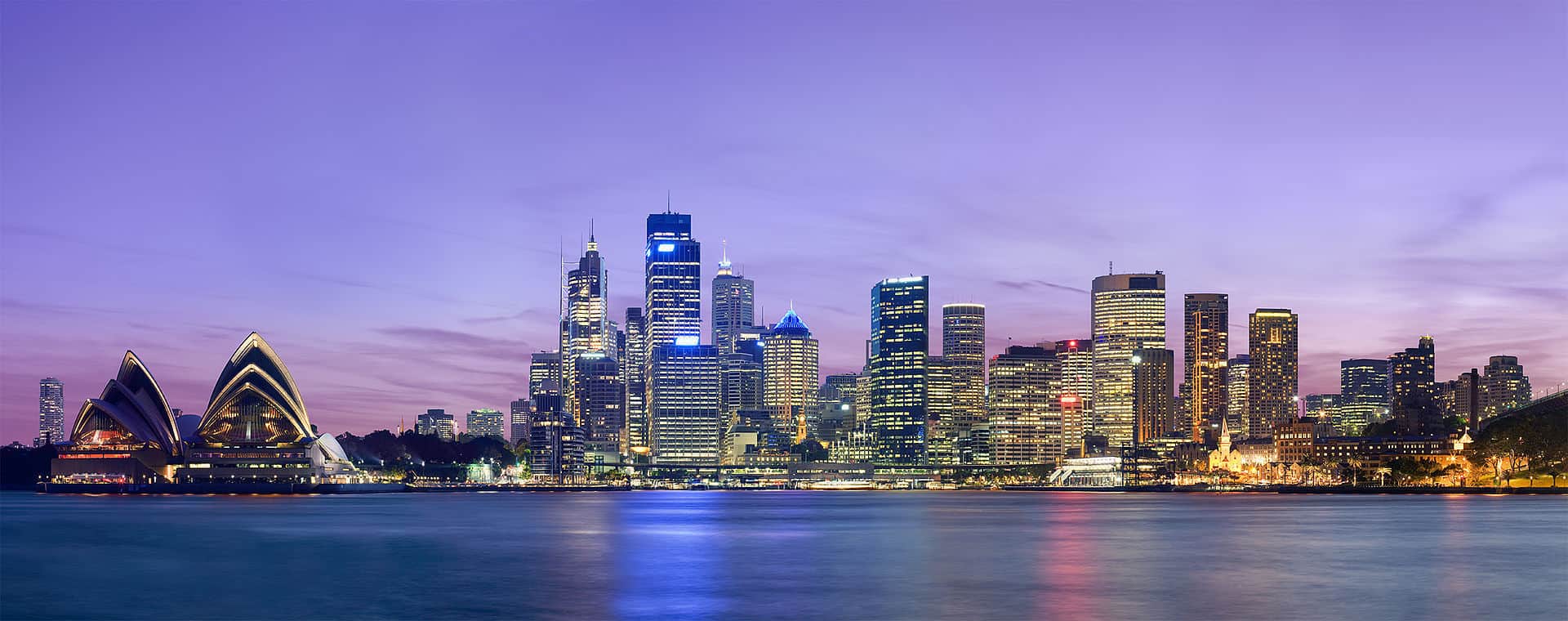
Sydney is the capital city of New South Wales and the most populous city in Australia, with a population of over 5.4 million. Located on Australia’s east coast, the metropolis surrounds Sydney Harbour, one of the world’s largest natural harbours, and extends about 80 kilometres from the Pacific Ocean in the east to the Blue Mountains in the west. The city was founded in 1788 as a British penal colony at Sydney Cove by Captain Arthur Phillip, who named the cove after Home Secretary Thomas Townshend, 1st Viscount Sydney. The traditional custodians of the land are the Gadigal people of the Eora Nation, who have inhabited the area for at least 30,000 years. Today, Sydney is recognised as an Alpha+ global city, ranking among the top ten most liveable cities in the world and attracting millions of international visitors each year to see its world-famous landmarks.
Climate and Best Time to Visit
Sydney enjoys a humid subtropical climate with warm summers and mild winters. The city averages over 240 days of sunshine per year and has a mean maximum temperature of 22.5 degrees Celsius. Summers from December to February are warm, with average highs of 26 degrees Celsius, though temperatures occasionally reach 30 degrees or higher during heatwaves. Winters from June to August are mild, with average highs of 17 degrees Celsius and cool nights. The best times to visit Sydney are autumn from March to May and spring from September to November, when the weather is warm and rainfall is lower. The city is subject to occasional East Coast lows, which can bring heavy rainfall, particularly between February and June. The average annual rainfall is approximately 1,213 millimetres.
Iconic Landmarks
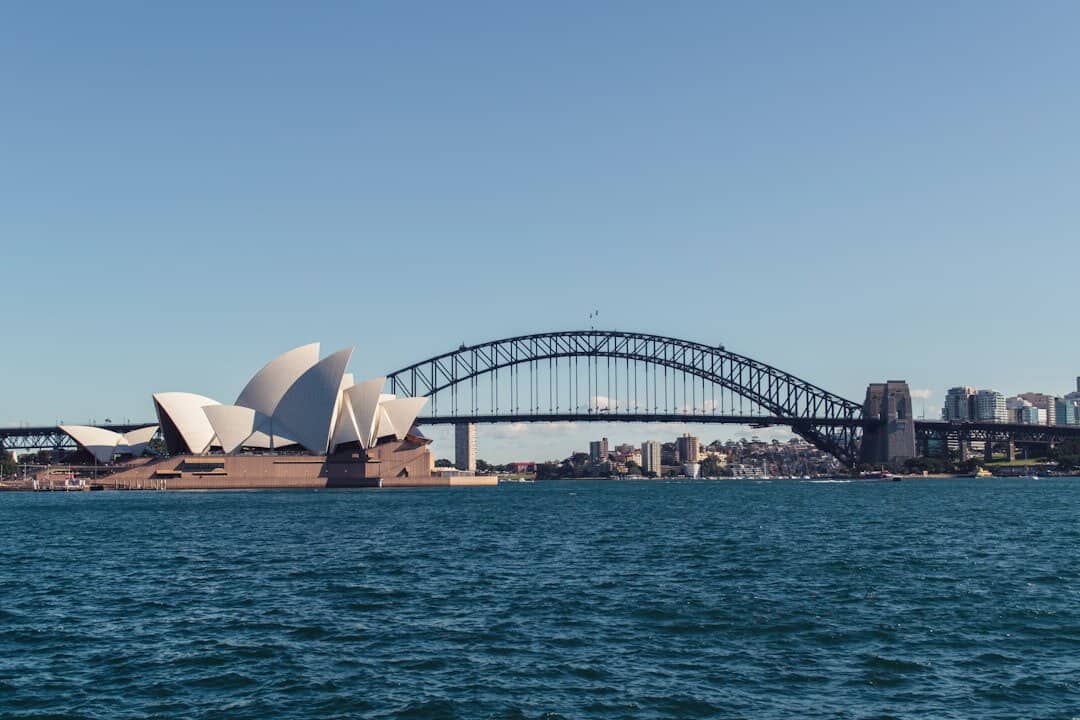
The Sydney Opera House is arguably Australia’s most recognisable landmark. Designed by Danish architect Jorn Utzon and opened in 1973, this UNESCO World Heritage site sits on Bennelong Point in Sydney Harbour and hosts over 1,800 performances each year. Its distinctive sail-like roofs make it one of the most photographed buildings in the world. The Sydney Harbour Bridge, affectionately known as the Coathanger, is the world’s largest steel arch bridge, spanning 503 metres across the harbour. Completed in 1932, the bridge carries pedestrians, cyclists, vehicles, and trains, and visitors can climb to the summit at 134 metres above the harbour for panoramic views of the city. The Sydney Tower Eye in the CBD stands at 309 metres and offers 360-degree views from its observation deck, making it the tallest structure in Sydney.
Beaches and Coastline
Sydney is famous for its stunning beaches, with over 100 beaches along its coastline. Bondi Beach is the most famous, a curved stretch of golden sand just 7 kilometres east of the city centre, known for its surf, swimming, and the iconic Bondi Icebergs ocean pool. The Bondi to Coogee coastal walk is a 6-kilometre walking trail that follows the coastline past stunning clifftops, rock pools, and smaller beaches including Bronte and Tamarama. Manly Beach, located on the northern side of Sydney Harbour, is accessible by a scenic 30-minute ferry ride from Circular Quay and offers great surf, a long promenade, and the Manly to Spit Bridge coastal walk. Other notable beaches include Coogee, Cronulla, Palm Beach, and Shelly Beach. Sydney’s beaches are patrolled by lifeguards year-round and are central to the city’s outdoor lifestyle.
Harbour and Water Activities
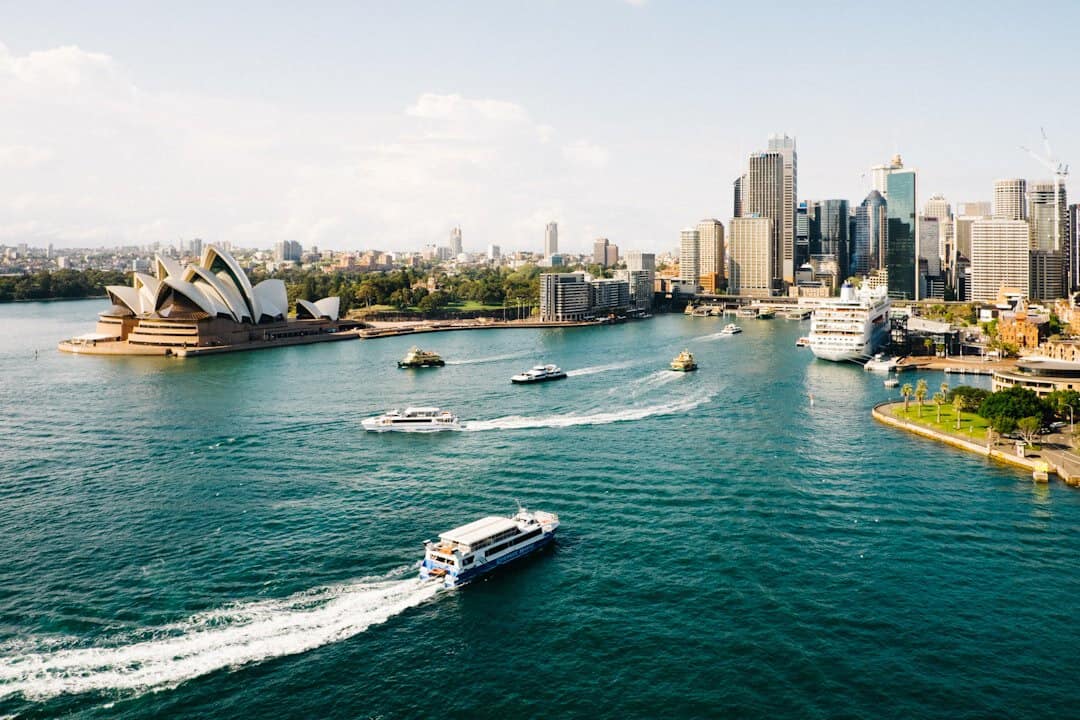
Sydney Harbour, also known as Port Jackson, is the city’s defining natural feature and one of the finest natural harbours in the world. The harbour is home to the Sydney Ferries network, which connects Circular Quay to suburbs across the water, offering one of the most scenic commutes in any city. The Circular Quay ferry wharf is the hub of the ferry network and provides spectacular views of both the Opera House and Harbour Bridge. Harbour boat cruises are a popular tourist activity, offering views of the harbour islands, waterfront mansions, national parks, and the city skyline. The harbour is also used for major events including the Sydney New Year’s Eve fireworks display, the largest in the world, and the Sydney Harbour Regatta. Darling Harbour, a pedestrian-friendly waterfront precinct on the western edge of the CBD, features the SEA LIFE Sydney Aquarium, the Australian National Maritime Museum, and the Harbourside Shopping Centre.
Culture and Arts
Sydney is Australia’s cultural capital, with a thriving arts scene spanning theatre, music, visual arts, and film. The Sydney Opera House is the city’s premier performing arts venue, hosting opera, ballet, theatre, and concerts. The Art Gallery of New South Wales holds an outstanding collection of Australian, Aboriginal, and international art and reopened a new wing in 2024. The Museum of Contemporary Art at Circular Quay features rotating exhibitions of modern art. The State Theatre, a heritage-listed building from 1929, hosts film festivals, concerts, and live performances. The city’s cultural calendar includes the Sydney Festival in January, Vivid Sydney in May and June which transforms the city with light installations, and the biennale of Sydney, one of Australia’s oldest contemporary art events. The film industry is strong in Sydney, with Fox Studios Australia located in Moore Park and numerous international productions filmed in the city.
Food and Dining
Sydney’s food scene is one of the most diverse in the world, reflecting its multicultural population. The city has a thriving cafe culture, with specialty coffee roasters and brunch spots throughout the inner suburbs. Sydney’s Chinatown in Haymarket offers authentic Asian cuisine from across the continent, while the surrounding Thai Town and Koreatown add to the diversity. The Sydney Fish Market at Pyrmont is the largest of its kind in the Southern Hemisphere and offers fresh seafood daily. Fine dining restaurants in The Rocks, Circular Quay, and Barangaroo offer harbour-view dining. The city’s inner-west suburbs including Newtown, Enmore, and Marrickville are known for their multicultural eateries and craft breweries. The Sydney CBD and Surry Hills offer everything from world-class restaurants to hidden laneway bars and rooftop venues.
Parks and Outdoor Spaces
Sydney has over 1 million hectares of nature reserves and parks, making it one of the greenest cities in the world. The Royal Botanic Garden, established in 1816 and located on the shores of Farm Cove, is the oldest scientific institution in Australia and features stunning harbour views, themed gardens, and free guided walks. The Domain, adjacent to the Botanic Garden, is a large public park used for outdoor concerts, festivals, and public gatherings. Hyde Park, in the city centre, is the oldest public park in Australia and features the ANZAC Memorial and the Archibald Fountain. The Royal National Park, established in 1879 and located south of the city, is the second oldest national park in the world after Yellowstone and offers coastal walks, secluded beaches, and Aboriginal sites. Centennial Park in the eastern suburbs is a vast green space popular for cycling, horse riding, and birdwatching.
Neighbourhoods and Suburbs
Sydney’s neighbourhoods each have their own character and attractions. The Rocks, at the foot of the Harbour Bridge, is the oldest European settlement in Australia and features historic sandstone buildings, cobblestone streets, weekend markets, and some of the city’s best pubs. Surry Hills is a trendy inner-city suburb known for its restaurants, bars, and boutiques located in converted warehouses. Newtown on King Street is famous for its live music venues, vintage shops, and multicultural dining. Paddington features Victorian terraces, fashion boutiques, and the popular Oxford Street. Darlinghurst and Kings Cross are known for nightlife and dining. Bondi and Coogee offer coastal lifestyles with beachside cafes and a relaxed community feel. On the north shore, Kirribilli and Neutral Bay offer harbour views and quiet village atmospheres.
Day Trips from Sydney
Sydney is an excellent base for exploring some of Australia’s most spectacular natural attractions. The Blue Mountains National Park, a two-hour drive west of the city, is a UNESCO World Heritage area featuring dramatic sandstone cliffs, waterfalls, and eucalypt forests, with highlights including the Three Sisters at Echo Point, the Scenic World cableway, and extensive bushwalking trails. The Hunter Valley, a two-hour drive north, is Australia’s oldest wine region and offers cellar door tastings, gourmet dining, and hot air balloon rides. The Central Coast, one hour north, features beautiful beaches, the Australian Reptile Park, and the Bouddi National Park coastal walk. The Southern Highlands, 90 minutes south, offer cool-climate gardens, antique shopping, and cosy country pubs. Port Stephens, two and a half hours north, is known for sand dunes, dolphin watching, and whale watching during migration season.
Getting Around
Sydney has an extensive public transport network operated by Transport for New South Wales. The Sydney Trains network, a suburban rail system, connects the CBD with suburbs and beyond. The Sydney Metro is Australia’s first fully automated metro system, with the Metro North West Line having opened in 2019 and the Metro City and Southwest extension opening in 2024 connecting Chatswood to Sydenham via the CBD. Sydney’s bus network covers areas not served by trains. The light rail network serves the CBD, the Inner West to Dulwich Hill, and the south-east to Randwick and Kingsford. The Sydney Ferries network is both a practical transport option and a tourist attraction, offering scenic harbour crossings. The Sydney Airport, officially Sydney Kingsford Smith Airport, is Australia’s busiest airport, handling over 44 million passengers annually, and is located just 8 kilometres south of the city centre.
Events and Festivals
Sydney hosts major international events throughout the year. The Sydney New Year’s Eve celebration is one of the largest in the world, drawing over a million people to the harbour foreshore for fireworks and light shows. Vivid Sydney, held annually in May and June, transforms the city with large-scale light installations, music performances, and ideas exchange events. The Sydney Festival in January showcases theatre, dance, music, and visual arts across multiple venues. The Royal Easter Show, held at Sydney Olympic Park, is Australia’s largest annual event, attracting over 800,000 visitors. The Sydney Film Festival, held in June, screens over 200 films from around the world. The Bledisloe Cup, State of Origin series, and international rugby tests are held at the city’s major venues including Stadium Australia, Allianz Stadium, and the Sydney Cricket Ground.
Sporting Culture
Sydney is a passionate sporting city, having hosted major international events including the 2000 Summer Olympics, the 2003 Rugby World Cup Final, and the 2023 FIFA Women’s World Cup Final. The Sydney Cricket Ground is one of Australia’s most historic sports venues, hosting cricket and Australian Rules football. Stadium Australia at Sydney Olympic Park, built for the 2000 Olympics, seats over 80,000 spectators and hosts rugby league State of Origin matches, rugby union, and major concerts. Sydney is home to multiple professional sports teams across rugby league, rugby union, Australian rules football, soccer, cricket, netball, and basketball. Surfing is a major part of Sydney’s coastal culture, with Bondi, Manly, and Cronulla offering consistent waves for surfers of all levels.
Aboriginal Heritage
The Sydney region has been home to Aboriginal people for at least 30,000 years. The Gadigal people of the Eora Nation are the traditional custodians of the land on which the Sydney CBD now stands. Aboriginal rock engravings and cultural sites can be found throughout the Sydney region, notably at Ku-ring-gai Chase National Park and in the coastal reserves of the eastern suburbs. The Barangaroo Reserve, a 6-hectare headland park in the city centre, was designed to reflect the pre-colonial landscape and honours Barangaroo, a powerful Cammeraygal woman from the early colonial period. The Australian Museum and the Art Gallery of New South Wales hold significant collections of Aboriginal artefacts and art, and the city has a thriving contemporary Aboriginal art scene.
If you are comparing east coast city stops, pair this with our guides to Melbourne travel guide, Brisbane travel guide, and Bicentennial Park in Sydney.

Author: Susan
G'day mates! I'm Susan, a feisty Aussie writer with a love for all things quirky and unconventional. When I'm not pounding away at my keyboard, you can find me binge-watching 'The Bold and the Beautiful' (don't judge me), or trying to teach my pet koala how to do the cha-cha. My writing style can best be described as a mix of sass and wit, with a dash of down-under charm. So if you're in the mood for a good time and a good yarn, give my work a read!