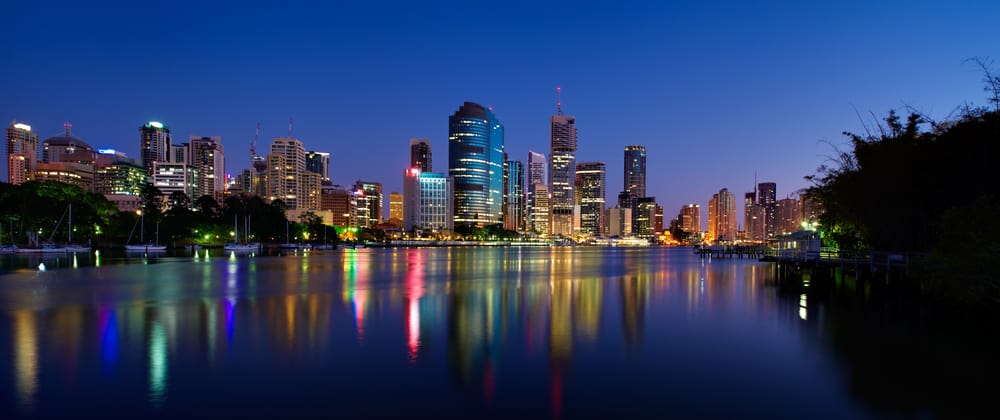
Brisbane is the capital and largest city of Queensland and the third most populous city in Australia, with a population of approximately 2.8 million. Known to the Turrbal and Yagara peoples as Meanjin, the city lies at the centre of South East Queensland, a bio-geographical and urban region with an estimated population of 4.1 million. The central business district sits within a peninsula of the Brisbane River, approximately 15 kilometres from its mouth at Moreton Bay. The city was established in May 1825 as a penal settlement for secondary offenders from Sydney and was named after Sir Thomas Brisbane, the Governor of New South Wales. In 1859, Brisbane was chosen as the capital of Queensland when the state separated from New South Wales.
Brisbane is a global centre for research and innovation and a major transport hub, served by large rail, bus and ferry networks as well as Brisbane Airport and the Port of Brisbane, Australias third busiest airport and seaport respectively. Over 36 percent of its metropolitan population is foreign born, making it one of Australias most diverse capital cities. Brisbane has hosted major events including the 1982 Commonwealth Games, World Expo 88 and the 2014 G20 summit, and will host the 2032 Summer Olympics and Paralympics.
Climate and Best Time to Visit
Brisbane has a humid subtropical climate with hot, humid summers and mild, dry winters. The city enjoys more than 280 days of sunshine per year. The mean maximum temperature is 26.6 degrees Celsius, ranging from 29.4 degrees in January to 21.6 degrees in July. The mean minimum temperature is 16.4 degrees. Average annual rainfall is 1,012 millimetres, with most rain falling in the summer months from November to February.
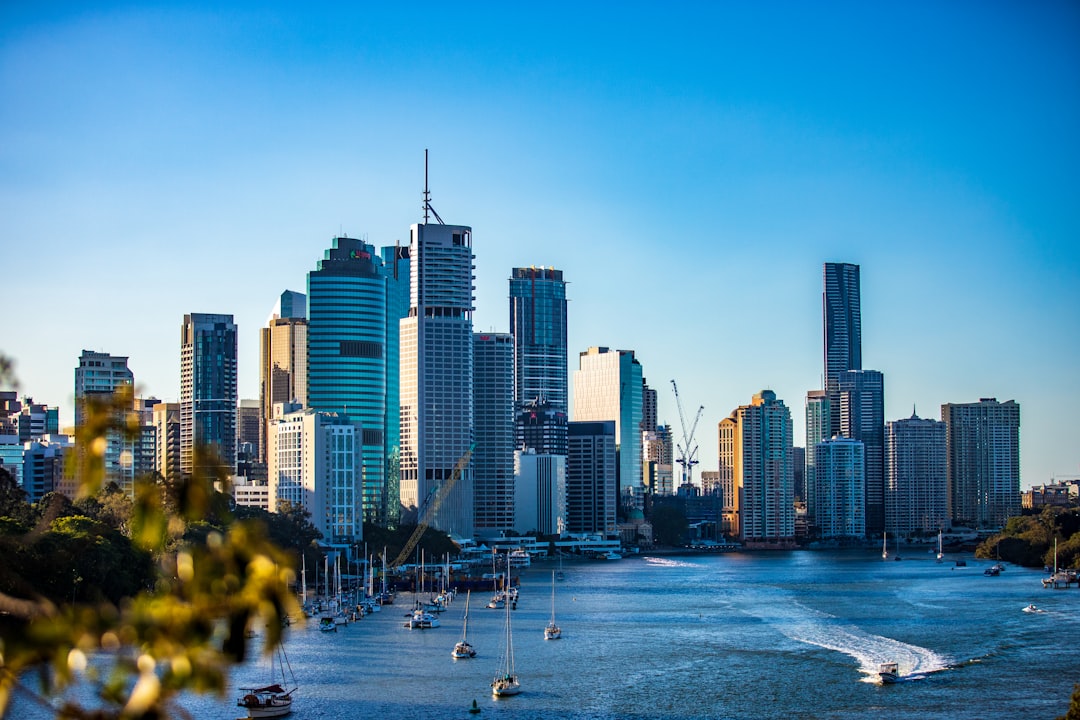
The best time to visit Brisbane is from March to May (autumn) or September to November (spring), when temperatures are warm and rainfall is lower. Winter from June to August is mild and sunny with daytime temperatures around 22 degrees, making it ideal for outdoor activities. Summer from December to February is hot and humid with frequent thunderstorms and occasional heatwaves, but also the time for major events and festivals.
Key Attractions
South Bank Parklands is Brisbanes premier recreational precinct and the most visited place in Queensland, attracting over 16 million visitors annually. Built on the site of World Expo 88, South Bank features the Streets Beach, a man-made swimming lagoon with white sand, subtropical gardens, cycle paths, and a weekend collective markets. The Queensland Cultural Centre at South Bank includes the Queensland Museum, Queensland Art Gallery, Gallery of Modern Art (GOMA), Queensland Performing Arts Centre (QPAC), and the State Library of Queensland. GOMA, which opened in 2006, is one of the largest modern art galleries in Australia.
The Brisbane River is the heart of the city, and taking a CityCat ferry along the river is one of the best ways to see Brisbane. The Story Bridge, completed in 1940, is one of the citys most iconic landmarks and offers the Story Bridge Adventure Climb, a guided climb to the top of the bridge with panoramic views of the city and Moreton Bay. The bridge is 777 metres long and 74 metres high.
Brisbane City Hall, completed in 1930, is a heritage-listed building in the heart of the city. The Clock Tower Tour takes visitors to the top of the 92-metre tower for views over the city. The Museum of Brisbane is located inside City Hall and showcases the citys history and culture.
The City Botanic Gardens, established in 1825 as a farm for the penal colony, are the oldest public gardens in Queensland and sit on the banks of the Brisbane River. Nearby, the Roma Street Parkland is one of the largest subtropical gardens in the world, covering 16 hectares with stunning floral displays, waterfalls, and walking trails.
Lone Pine Koala Sanctuary, founded in 1927, is the oldest and largest koala sanctuary in the world. Located just 20 minutes from the city centre in Fig Tree Pocket, it is home to over 130 koalas as well as kangaroos, wombats, echidnas, and platypuses. Visitors can hold a koala and hand-feed kangaroos.
Neighbourhoods and Dining
Fortitude Valley, known simply as the Valley, is Brisbanes entertainment and nightlife hub. It is home to live music venues, nightclubs, bars, and restaurants, and is one of the few areas in Australia with a dedicated entertainment precinct license allowing 24-hour trading. The Valley also has a growing dining scene with everything from Asian street food to modern Australian cuisine.
Howard Smith Wharves is a revitalised riverfront precinct beneath the Story Bridge, opened in 2018, with a brewery, restaurants, bars, and a public park. It has become one of Brisbanes most popular dining and social destinations. The precinct also hosts weekend markets and live events.
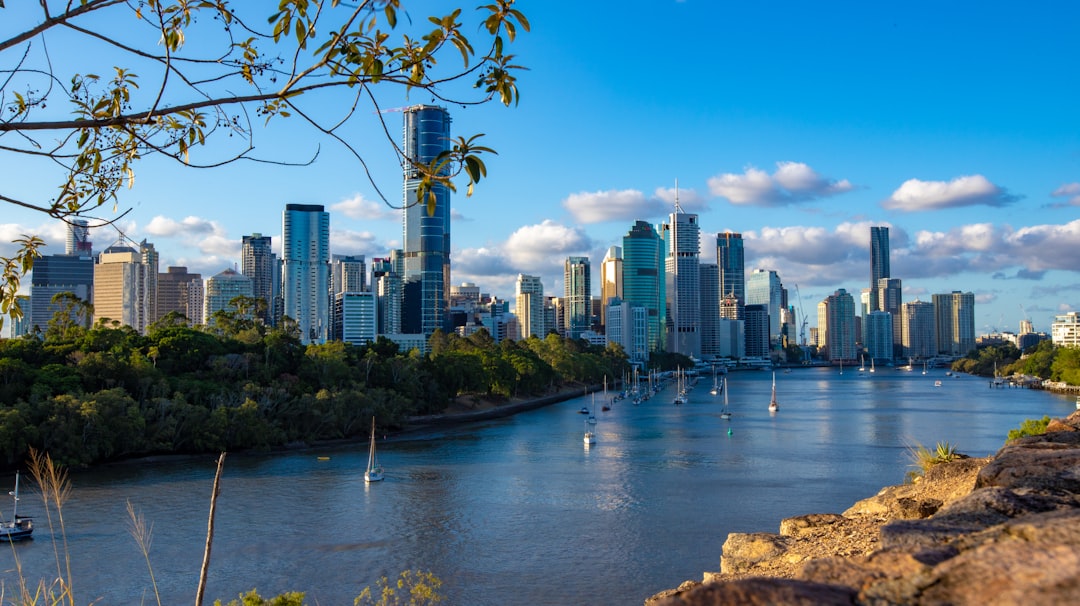
West End and South Brisbane are known for their multicultural dining, independent bookshops, and weekend markets. The Davies Park Market in West End is a beloved Sunday institution with fresh produce and street food. New Farm is an affluent riverside suburb with the beautiful New Farm Park, which features a rose garden, river views, and weekend farmers markets alongside the Brisbane Powerhouse, a former power station turned arts and performance venue.
James Street in Fortitude Valley has emerged as a high-end dining and shopping precinct, with acclaimed restaurants, fashion boutiques, and the Calile Hotel, one of Australias most celebrated lifestyle hotels.
Day Trips and Nature
Mount Coot-tha, just 15 minutes from the city centre, offers panoramic views of Brisbane and its surrounds. The mountain is home to the Brisbane Botanic Gardens, the Sir Thomas Brisbane Planetarium, and numerous bushwalking trails. The summit lookout is particularly popular at sunset.
The Glass House Mountains, an hour north of Brisbane, are a group of spectacular volcanic plugs rising from the coastal plain. They offer hiking, rock climbing, and Aboriginal heritage tours. The region is part of the Sunshine Coast hinterland.
Moreton Bay is a large bay east of Brisbane dotted with islands. Moreton Island, Bribie Island, and North Stradbroke Island offer beaches, camping, sandboarding, and dolphin feeding. The Tangalooma Wrecks at Moreton Island are a popular snorkelling and diving spot where 15 ships were deliberately sunk to create a breakwall.
The Gold Coast and its famous beaches and theme parks are an hour south of Brisbane by car or train, while the Sunshine Coast with its national parks and coastal villages is an hour north.
Events and Festivals
Brisbane hosts a packed calendar of events throughout the year. The Brisbane Festival in September is the citys flagship arts festival, featuring theatre, music, dance, and the spectacular Riverfire fireworks display. The Ekka (Royal Queensland Show) in August is a beloved agricultural show with rides, livestock, and showbags. The Brisbane International film festival, the Asia Pacific Screen Awards, and the Woodford Folk Festival (just north of Brisbane) round out the cultural calendar. Brisbane will host the 2032 Olympic and Paralympic Games, the third time Australia has hosted the Olympics after Melbourne 1956 and Sydney 2000.
Getting Around
Brisbane has an extensive public transport network of trains, buses, and ferries. The CityCat and CityHopper ferries are a scenic and efficient way to travel along the Brisbane River. The South East Busway is one of the busiest bus corridors in Australia. Cross River Rail, a major underground rail project, is under construction and scheduled to open in 2026. Brisbane Airport (BNE) is 15 kilometres northeast of the city centre and is connected by the Airtrain, which takes 20 minutes to reach the city.
Brisbane is also a highly bike-friendly city with over 1,600 kilometres of dedicated cycle paths and bikeways, including the popular River Loop that follows the Brisbane River through the city.
For more Queensland and east coast planning, continue with Gold Coast travel guide, Cairns travel guide, and Sydney travel guide.

Author: Susan
G'day mates! I'm Susan, a feisty Aussie writer with a love for all things quirky and unconventional. When I'm not pounding away at my keyboard, you can find me binge-watching 'The Bold and the Beautiful' (don't judge me), or trying to teach my pet koala how to do the cha-cha. My writing style can best be described as a mix of sass and wit, with a dash of down-under charm. So if you're in the mood for a good time and a good yarn, give my work a read!