
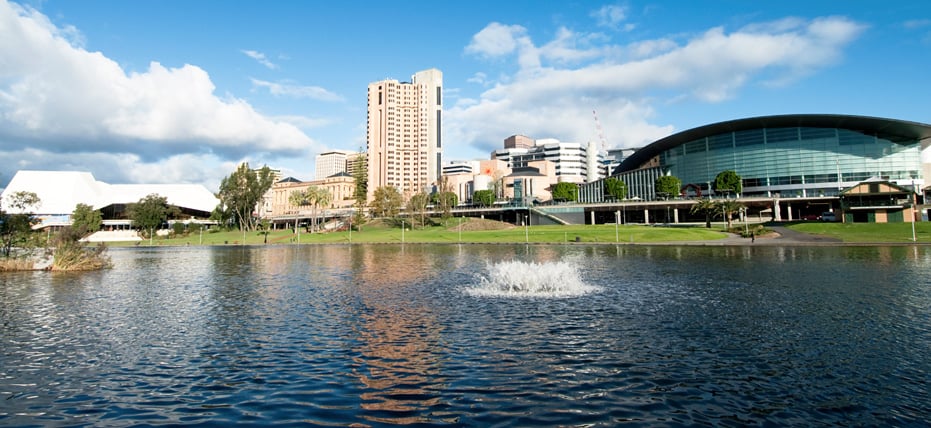
Adelaide is the capital and most populous city of South Australia, and the fifth-most populous city in Australia with a metropolitan population of 1,469,163 as of 2024. Known by its traditional Kaurna name Tarndanya, meaning male red kangaroo rock, Adelaide sits on the Adelaide Plains between Gulf St Vincent and the Mount Lofty Ranges. Named in honour of Queen Adelaide, wife of King William IV, the city was founded in 1836 as the planned capital for the only freely settled British province in Australia, meaning it has no convict history unlike Sydney, Brisbane, and Hobart.
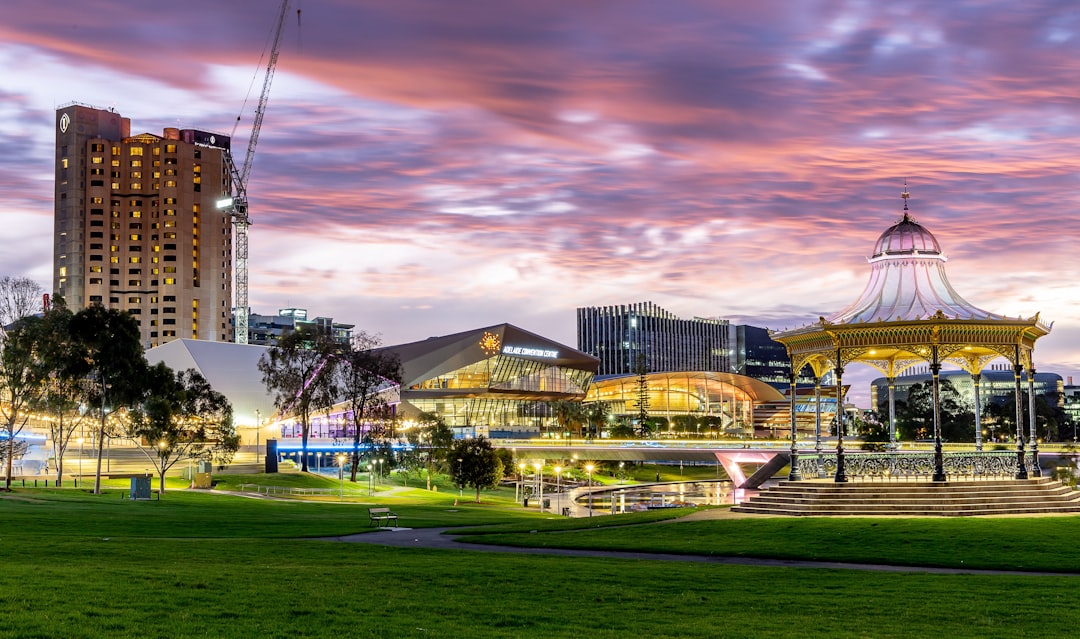
Adelaide was designed by Colonel William Light in a distinctive grid layout surrounded by parklands, a plan now listed as national heritage. This design, known as Lights Vision, gives the city wide boulevards, five public squares in the city centre, and an expansive green ring that sets it apart from any other Australian capital. In 2024, Architectural Digest ranked Adelaide as the most beautiful city in the world.
Climate
Adelaide has a Mediterranean climate with hot, dry summers and cool winters with moderate rainfall. Summer average maximum temperatures are 28.6 degrees Celsius in January, while winter averages are 15.2 degrees in July. Annual rainfall is approximately 537 millimetres, with most falling in the winter months. Unlike the tropical cities of Australia, Adelaide summers are dry and low in humidity, making outdoor activities comfortable. The city averages 90.6 clear days annually and 2,762 hours of sunshine per year. The average sea temperature ranges from 13.7 degrees in August to 21.2 degrees in February.
Food and Wine
Adelaide is the gateway to some of Australia finest wine regions. The Barossa Valley, an hour drive north of the city, is Australia most famous wine region with over 80 cellar doors including iconic producers Penfolds, Henschke, and Jacob Creek. McLaren Vale, just 40 minutes south, is known for its bold Shiraz, Mediterranean varieties, and stunning vineyard views stretching to the coast. The Adelaide Hills wine region is also nearby, producing cool-climate wines including Sauvignon Blanc and Pinot Noir.
The Adelaide Central Market is one of the largest indoor markets in the Southern Hemisphere, operating since 1869 with over 70 stalls selling fresh produce, artisan foods, and international delicacies. It is open Tuesday through Saturday and is a must-visit for any food lover. The city has a thriving restaurant scene, with Rundle Street, Gouger Street, and the East End precinct offering everything from modern Australian to authentic Greek, Italian, Vietnamese, and Indian cuisine. The city food and wine culture was shaped by waves of European migration, particularly Italian and Greek communities whose influence is seen across the city dining scene.
Festivals and Events
Adelaide is Australia festival capital, hosting more major events per capita than any other Australian city. The Adelaide Fringe is the world second-largest annual arts festival after Edinburgh, running for four weeks each February and March with thousands of performances across music, theatre, comedy, and visual arts. The Adelaide Festival of Arts, running alongside the Fringe, is a curated program of world-class opera, theatre, dance, and music. WOMADelaide is a celebrated world music festival held in the Botanic Park each March. Other major events include the Tour Down Under cycling race, the Adelaide 500 supercars race, the Adelaide Cup horse race, and Gather Round, an AFL football round held entirely in South Australia.
Adelaide will also host the Australian MotoGP Grand Prix from 2027.
Attractions
Adelaide Oval is one of the most picturesque sporting venues in the world, with a newly redeveloped southern stand that offers a roof climb experience with panoramic views over the city. The River Torrens flows through the heart of the city, with grassy banks, paddle boats, and walking trails connecting the Adelaide Zoo, the Botanic Gardens, and the University of Adelaide precinct. The Adelaide Zoo is the second oldest in Australia and home to the only giant pandas in the Southern Hemisphere.
The Art Gallery of South Australia, the South Australian Museum, and the State Library of Australia line North Terrace, the city cultural boulevard. The South Australian Museum has one of the most comprehensive Aboriginal cultural collections in the world. The Museum and Art Gallery of the Northern Territory counterpart in Adelaide sister city is the MOD. Museum of Discovery at the University of South Australia offers an interactive science and technology experience.
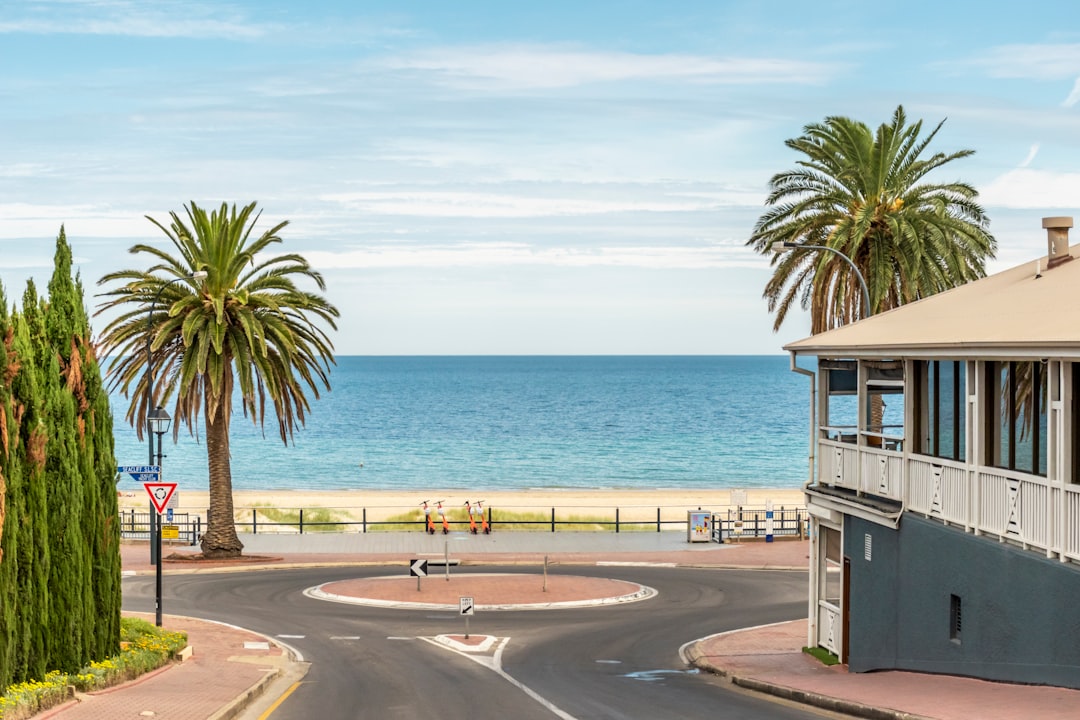
Glenelg Beach is Adelaide most popular beachside destination, just a 25-minute tram ride from the city centre. It offers a sandy beach, a historic jetty, the Beachhouse amusement park, and a vibrant dining and shopping strip. The stretch of coastline from Glenelg south to Port Noarlunga offers excellent swimming, snorkelling, and walking trails.
Kangaroo Island
Kangaroo Island is a 45-minute ferry ride from Cape Jervis, a 90-minute drive south of Adelaide. It is one of Australia premier wildlife destinations, with Flinders Chase National Park featuring the iconic Remarkable Rocks and Admirals Arch. Seal Bay is home to a colony of wild Australian sea lions where you can walk on the beach with a guide. The island recovered strongly from the 2019-2020 bushfires and wildlife populations have rebounded. A minimum of two to three days is recommended to explore the island properly.
Hills and Nature
The Adelaide Hills, a 20-minute drive east of the city, offer cooler temperatures, pretty villages, and conservation parks. Cleland National Park allows visitors to hand-feed kangaroos and wallabies and get close to koalas in a natural bushland setting. Mount Lofty Summit is the highest point of the Mount Lofty Ranges at 710 metres, with panoramic views over Adelaide, the coast, and across to Kangaroo Island on clear days. Belair National Park is the oldest national park in South Australia, with walking trails, picnic areas, and native wildlife. The Himeji Garden in the city is a traditional Japanese garden and a peaceful retreat in the urban centre.
Getting There and Getting Around
Adelaide Airport is located just 7 kilometres west of the city centre and serves domestic routes to all Australian capitals as well as international flights to Singapore, Kuala Lumpur, Bali, and Doha via carriers including Qantas, Virgin Australia, Jetstar, Singapore Airlines, and Qatar Airways. The city centre is compact and walkable, with the Adelaide Metro network providing buses, trains, and the Glenelg tram line connecting the city to the beach. The train network extends north to Gawler, south to Seaford, and east to Belair. Rental cars are available at the airport for exploring the wine regions, hills, and coastal areas beyond the city.
Liveability and Rankings
Adelaide consistently ranks among the world most liveable cities, being named the third most liveable city in the world by the Economist Intelligence Unit in 2021 and the most beautiful city in the world by Architectural Digest in 2024. The city is home to three Nobel laureates, more than any other Australian city. It was named the worlds second National Park City in 2021, reflecting its commitment to green space and connection with nature. The Adelaide Park Lands, covering 930 hectares, surround the city centre and are a defining feature of Light original 1837 plan.
Adelaide is also the headquarters of the Australian Space Agency and has a growing defence and technology sector alongside its traditional strengths in wine production, education, and tourism.
For more southern and eastern city planning, compare Adelaide with Melbourne travel guide, Perth travel guide, and Brisbane travel guide.

Author: Susan
G'day mates! I'm Susan, a feisty Aussie writer with a love for all things quirky and unconventional. When I'm not pounding away at my keyboard, you can find me binge-watching 'The Bold and the Beautiful' (don't judge me), or trying to teach my pet koala how to do the cha-cha. My writing style can best be described as a mix of sass and wit, with a dash of down-under charm. So if you're in the mood for a good time and a good yarn, give my work a read!