Introduction
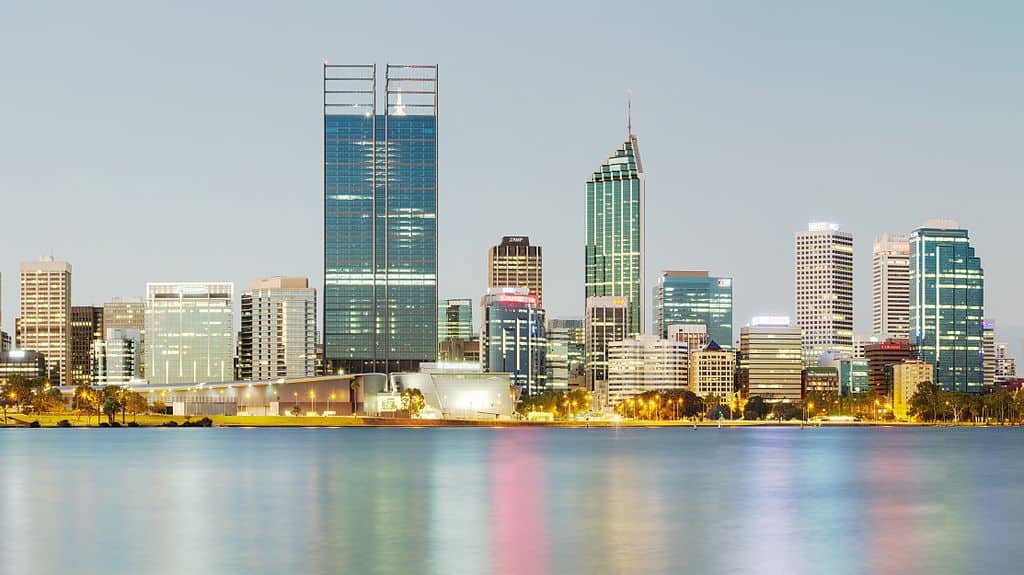
Perth is the capital and largest city of the Australian state of Western Australia and the fourth most populous city in Australia, with a population of over 2.2 million people in the Greater Perth area. The city is located on the Swan Coastal Plain, nestled between the Indian Ocean and the Darling Scarp, a position that gives it some of the most spectacular urban beaches in the country. Known as the City of Light after residents famously lit their homes and streets to welcome astronaut John Glenn as he passed overhead in 1962, Perth is a city of sunshine, spacious parks, and a relaxed outdoor lifestyle. The city is also the economic heart of Western Australia, driven largely by the resources sector and a growing technology industry. It consistently ranks among the most liveable cities in the world for its climate, safety, and quality of life. Perth has a Mediterranean climate with hot, dry summers and mild, wet winters, making it an ideal year round destination for beach lovers and outdoor enthusiasts.
Climate and Best Time to Visit
Perth enjoys a Mediterranean climate with more sunny days than any other Australian capital city, averaging around 2,800 hours of sunshine annually. Summers from December to February are hot and dry, with average maximum temperatures around 30 degrees Celsius, though heatwaves can push temperatures above 40 degrees. Winters from June to August are mild and wet, with average maximum temperatures around 18 degrees Celsius and most of the city annual rainfall occurring during these months. The best time to visit is during spring from September to November or autumn from March to May, when temperatures are warm but not extreme, wildflowers are blooming in Kings Park and the surrounding regions, and tourist crowds are thinner. Autumn offers the added bonus of the Perth Royal Show and the beginning of the crayfishing season. Spring is particularly spectacular in Western Australia when the state famous wildflower season transforms the landscape with over 12,000 species of native plants, 60 percent of which are found nowhere else on earth.
Beaches
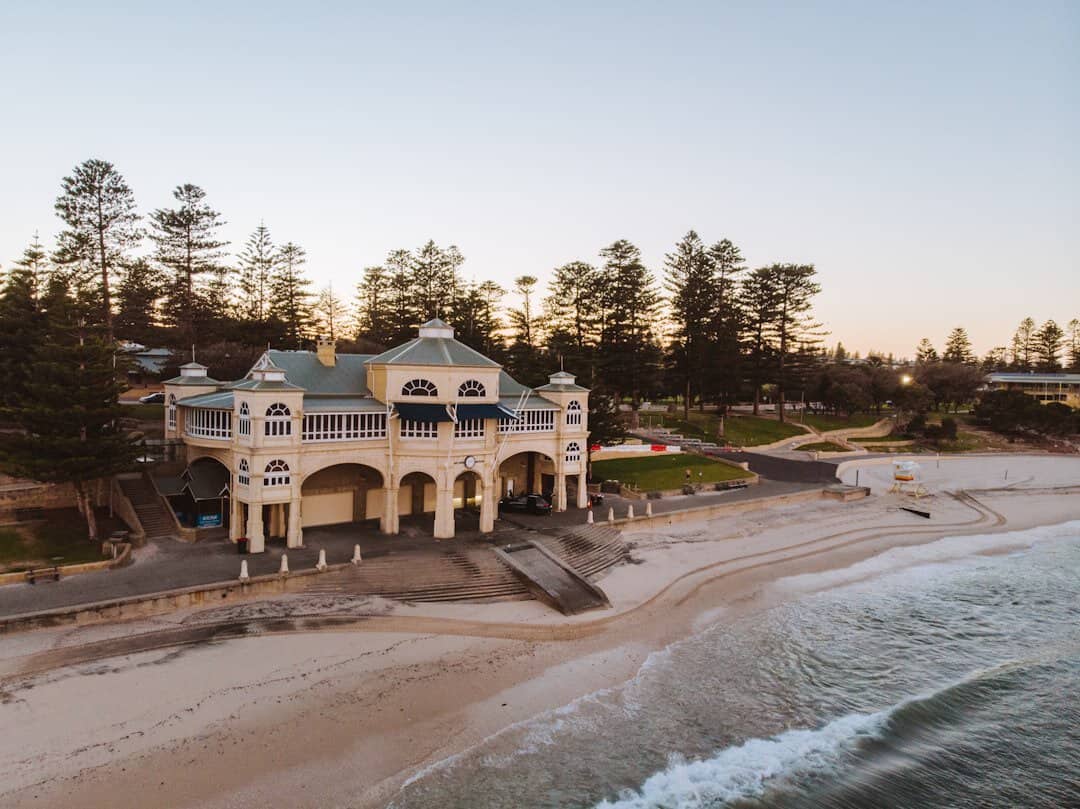
Perth is home to some of the best urban beaches in Australia, with 80 kilometres of coastline stretching from Quinns Rocks in the north to Rockingham in the south. Cottesloe Beach is the most famous, with its white sand, Norfolk Island pines, and the iconic Indiana Tea House. It is the perfect spot for sunset swimming and Sunday sessions at the Cottesloe Surf Lifesaving Club. Scarborough Beach has undergone a major revitalisation with a modern foreshore precinct, restaurants, bars, and a popular Sunday market. Trigg Beach is a favourite among surfers and is adjacent to the Trigg Island Surf Life Saving Club. City Beach offers a protected swimming area and a popular beachfront restaurant. For a quieter experience, head to Mettams Pool, a natural rock pool north of Trigg that is ideal for snorkeling, or Leighton Beach near Fremantle, which offers a more relaxed atmosphere away from the crowds. Most Perth beaches are patrolled by surf lifesavers during the warmer months, making them safe for families, and many offer shark monitoring systems for added safety.
Kings Park and Botanic Garden
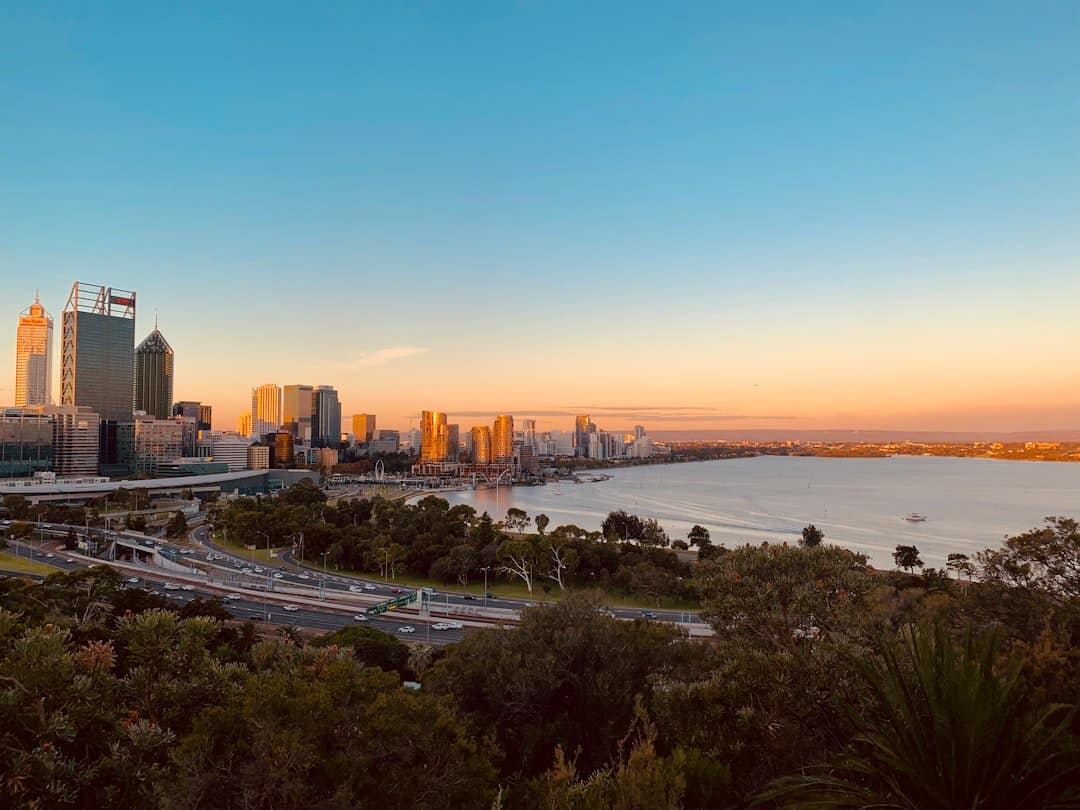
Kings Park is one of the largest inner city parks in the world, covering 400 hectares on the western edge of the Perth central business district. It overlooks the Swan River and offers panoramic views of the city skyline and the Darling Range. The park receives over 6 million visitors annually and is more than 50 percent larger than New York Central Park. Kings Park was officially opened in 1895 and is home to a world class botanic garden displaying over 2,000 species of Western Australian flora. In 2023, the park opened a major new cultural and tourism precinct called Boola Bardip, meaning many stories in the Whadjuk Noongar language, which provides interpretation of the park natural and Indigenous cultural heritage. The park features a series of walking trails, including the Lotterywest Federation Walkway, a glass bridge that takes you through the treetops of the bushland. The DNA Tower, an 18 metre high spiral staircase inspired by the double helix structure of DNA, offers a bird eye view of the park and city. During spring, Kings Park transforms into a carpet of colour as the wildflowers bloom, with over 3,000 plants species on display in the garden beds.
Rottnest Island
Rottnest Island, known as Wadjemup in the local Noongar language, is a protected nature reserve located 19 kilometres off the coast of Perth. The island is famous for its population of quokkas, small marsupials known as the happiest animal on earth because of their seemingly smiling faces. Around 8,000 quokkas inhabit the island, and they have become a major social media phenomenon, with visitors taking quokka selfies. The island is car free, with most visitors getting around by bicycle, on foot, or by the island bus service, covering over 55 kilometres of roads and tracks. Rottnest has 63 stunning beaches and 20 bays, with some of the most beautiful including The Basin, Parker Point, and Little Salmon Bay. Snorkelling is excellent, with coral reefs, shipwrecks, and an abundance of marine life including sea turtles, dolphins, and over 135 species of tropical fish. The island also has a rich history, having served as an Aboriginal prison and internment camp before becoming the protected reserve it is today. Ferries to Rottnest depart from Fremantle, Perth, and Hillarys Boat Harbour, with the journey taking approximately 25 minutes from Fremantle and 90 minutes from Perth. Day trips are popular, but overnight stays are also available with accommodation ranging from basic camping to heritage style cottages.
Fremantle
Fremantle, known as Walyalup in the Noongar language, is a port city located at the mouth of the Swan River, 19 kilometres southwest of Perth CBD. It is famous for its well preserved 19th century architecture, its working port, and its vibrant arts and dining scene. The Fremantle Markets, established in 1897, operate on weekends and offer over 150 stalls selling local produce, crafts, clothing, and street food, making it one of the most popular attractions in the area. The Fremantle Prison, a UNESCO World Heritage listed building, operated as a maximum security prison from 1855 to 1991 and now offers daily tours, including a torchlight tour and a tunnels tour that takes you 20 metres below the prison. The Fremantle Arts Centre, housed in a Gothic style building constructed by convicts in the 1860s, offers exhibitions, live music, and creative workshops. Little Creatures Brewery, located in the historic Fremantle Fishing Boat Harbour, is a popular spot for craft beer and casual dining. The Cappuccino Strip on South Terrace is the heart of Fremantle cafe culture, with outdoor dining, buskers, and a lively atmosphere on weekends. Fremantle also hosts the Fremantle Street Arts Festival, one of Australia largest free street arts festivals, every Easter.
Swan Valley
The Swan Valley is Western Australia oldest wine region, located just 25 minutes from the Perth CBD. Established in 1829, it is one of the oldest wine producing regions in Australia and is home to over 40 wineries, 60 cellar doors, and a wide range of breweries, distilleries, and artisan food producers. The region is particularly known for its Verdelho, Chenin Blanc, and Shiraz varietals. Visitors can explore the Swan Valley on a self guided driving tour, by bike along the Swan Valley Cycle Path, or as part of a guided tour. Beyond wine, the region offers chocolate factories, cheese makers, nougat producers, breweries, and distilleries, including the award winning Old Youngs Distillery and Whipper Snapper Distillery. Many wineries offer restaurant dining, with lunch at spots like Mandoon Estate or Liege Wines being a popular way to spend an afternoon. The Swan Valley also hosts regular events including the Swan Valley Food and Wine Festival and the Spring in the Valley festival. The Swan Valley is also home to the Caversham Wildlife Park, where visitors can interact with kangaroos, koalas, wombats, and a wide range of native Australian animals.
Transport and Getting Around
Perth Airport, located 12 kilometres east of the city centre, handles both domestic and international flights, with direct services to Singapore, Dubai, London, Doha, Hong Kong, Auckland, and Johannesburg among others. The airport has four terminals connected by a free shuttle bus. The Transperth public transport system includes trains, buses, and ferries, with the modern Mandurah Line being the longest electrified railway in Western Australia. The CAT buses operate free services in the city centre and Fremantle, making it easy to explore the main attractions without a car. A ferry service across the Swan River connects Elizabeth Quay to South Perth, offering a scenic alternative to road transport. Perth also has a growing network of cycle paths, including the Principal Shared Path along the Swan River. For a scenic drive, the coastal route from Fremantle through Cottesloe to City Beach is one of the most beautiful urban drives in Australia.
Surrounding Natural Attractions
Beyond the city, Western Australia offers some of the most unique natural attractions in the country. The Pinnacles Desert in Nambung National Park, a two hour drive north of Perth, features thousands of limestone pillars rising from the yellow sand dunes. Wave Rock near Hyden, a four hour drive east, is a 15 metre high natural rock formation shaped like a wave. The Margaret River region, a three hour drive south, is famous for its premium wine, surf beaches, and world class cave systems. The Coral Coast, stretching north from Perth to Exmouth, offers some of the most pristine coastline in Australia, including the famous stromatolites at Hamelin Pool and the stunning turquoise waters of Ningaloo Reef. Yanchep National Park, just 50 minutes north of Perth, features koalas, kangaroos, and the Crystal Cave, making it an accessible nature escape from the city.
Wildlife and Nature
Perth and its surrounds offer abundant wildlife experiences. Caversham Wildlife Park in the Swan Valley allows you to hand feed kangaroos, have a photo with koalas, and see wombats, Tasmanian devils, and a wide variety of native birds. Penguin Island, a 45 minute drive south of Perth near Rockingham, is home to the largest colony of little penguins in Western Australia and offers seasonal dolphin and sea lion encounters. For whale watching, the waters off Perth are among the best in Australia, with humpback and southern right whales migrating along the coast from June to November. The Perth Zoo, located in South Perth and accessible by ferry, houses over 1,200 animals including many Australian native species. Rockingham, south of Perth, offers the opportunity to swim with wild dolphins in their natural habitat through several licensed tour operators.
For broader city-to-city planning across Australia, compare Perth with Adelaide travel guide, Melbourne travel guide, and Gold Coast travel guide.

Author: Susan
G'day mates! I'm Susan, a feisty Aussie writer with a love for all things quirky and unconventional. When I'm not pounding away at my keyboard, you can find me binge-watching 'The Bold and the Beautiful' (don't judge me), or trying to teach my pet koala how to do the cha-cha. My writing style can best be described as a mix of sass and wit, with a dash of down-under charm. So if you're in the mood for a good time and a good yarn, give my work a read!