Introduction
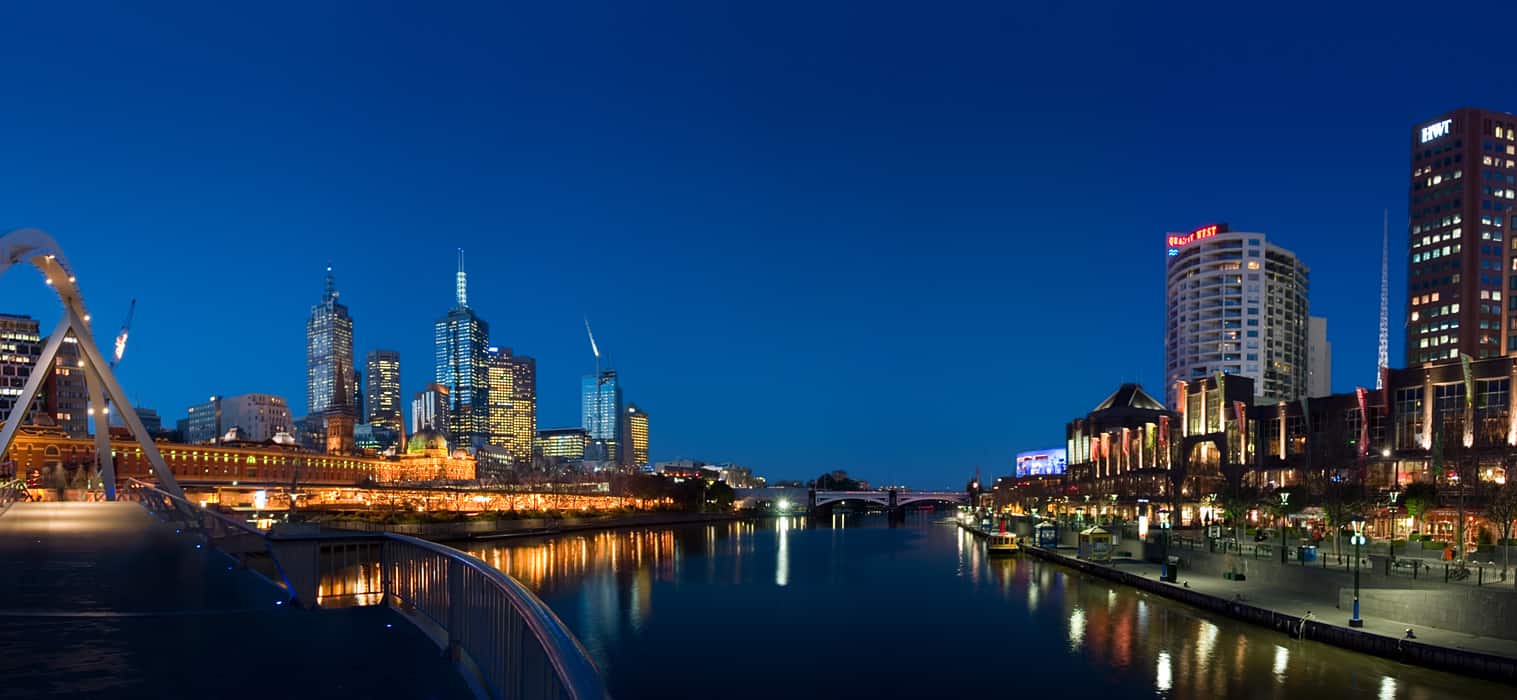
Melbourne is the capital and most populous city of the state of Victoria, and the second most populous city in Australia after Sydney, with a population of over 5 million people in the Greater Melbourne area. The city is located in the south eastern part of mainland Australia at the northernmost point of Port Phillip Bay. Melbourne was founded in 1835 by settlers from Van Diemen Land, and it grew rapidly thanks to the Victorian gold rush of the 1850s. Within decades, it had become one of the largest and wealthiest cities in the world, earning the nickname Marvelous Melbourne. Today, Melbourne is widely regarded as the cultural, sporting, and culinary capital of Australia. In the 2023 Global Liveability Index published by the Economist Intelligence Unit, Melbourne was ranked the third most liveable city in the world. The city is known for its distinctive blend of Victorian era architecture and cutting edge modern design, its world class coffee culture, its passion for sport, and its thriving arts and music scenes. Melbourne has an oceanic climate with mild,warm summers and cool, sometimes wet winters.
Climate and Best Time to Visit
Melbourne has an oceanic climate with warm summers and cool winters, famous for experiencing four seasons in one day. Summers from December to February are warm with average maximum temperatures around 26 degrees Celsius, though occasional heatwaves can push the mercury above 40 degrees. Winters from June to August are cool and cloudy with average maximum temperatures around 14 degrees Celsius and frequent cold fronts bringing rain. The best time to visit Melbourne is during autumn from March to May, when temperatures are mild around 20 degrees, the air is crisp, and the city parks are ablaze with autumn colours. Spring from September to November is also excellent, with warming temperatures, the Melbourne International Arts Festival, and the ever popular Melbourne Cup in November. Melbourne receives about 600 millimetres of rainfall annually, spread relatively evenly throughout the year, meaning there is no distinct dry season. The city is known for its changeable weather, and locals have a saying that if you do not like the weather in Melbourne, just wait five minutes.
Laneways and Street Art
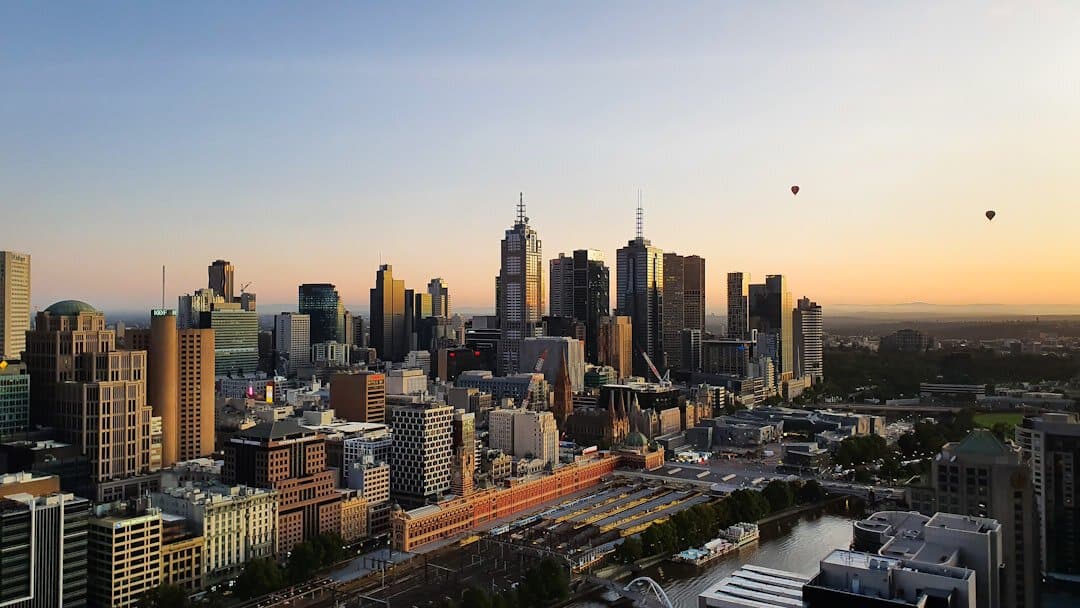
Melbourne is famous for its hidden laneways, which form a unique network of narrow streets in the city centre filled with cafes, bars, boutiques, and some of the best street art in the world. Hosier Lane is the most famous street art laneway, where the walls are covered in a constantly changing canvas of graffiti, stencils, and murals created by local and international artists. Degraves Street, located just off Flinders Street, is a bustling laneway lined with European style cafes, Italian restaurants, and fashion boutiques that buzz with activity all day. Centre Place, in the heart of the CBD, is one of the most atmospheric laneways with its exposed brick walls, hanging vines, and tiny eateries. AC/DC Lane is named after the legendary Australian rock band and is home to live music venues and street art. Hardware Lane features French inspired bistros and outdoor dining under heaters. The Block Arcade, built in 1891, is a stunning example of Victorian shopping arcade architecture with its mosaic floors, glass ceilings, and high end retailers. The laneways are part of what earned Melbourne a reputation as the most European feeling city in Australia.
Coffee Culture
Melbourne is widely regarded as the coffee capital of Australia and one of the great coffee cities of the world. The city coffee culture has its roots in the post war Italian and Greek migration that introduced espresso based coffee to Australia. Today, Melbourne has hundreds of specialty coffee roasters and thousands of cafes, many of which roast their own beans and pride themselves on direct trade sourcing. Notable coffee destinations include Proud Mary in Collingwood, Patricia Coffee Brewers in the CBD, Seven Seeds in Carlton, Market Lane Coffee at the Queen Victoria Market, and St Ali in South Melbourne. The flat white, a staple of Australian coffee culture, was popularised in Melbourne in the 1980s. The city also hosts the Melbourne International Coffee Expo, one of the largest coffee events in the world, and is home to the World Barista Championship winner on multiple occasions. The Melbourne coffee scene is known for its innovation, with many cafes offering single origin pour overs, cold drip, nitro cold brew, and experimental brewing methods alongside the classic espresso based drinks.
Sports Capital
Melbourne is often called the sports capital of Australia, and for good reason. The city hosts some of the biggest sporting events in the world and has the highest density of major sporting venues of any Australian city. The Melbourne Cricket Ground, known as the MCG, is one of the most famous sporting stadiums in the world, with a capacity of 100,024. It is the home of Australian Rules Football, the Melbourne Cricket Club, and has hosted the 1956 Summer Olympics, the 2006 Commonwealth Games, and the 2015 Cricket World Cup final. Rod Laver Arena is the centrepiece of Melbourne Park, hosting the Australian Open tennis grand slam each January, which attracts over 800,000 spectators. The Formula 1 Australian Grand Prix is held at the Albert Park Grand Prix Circuit, a temporary street circuit around Albert Park Lake. Flemington Racecourse hosts the Melbourne Cup, known as the race that stops a nation, on the first Tuesday of November each year, when the entire country pauses to watch the race. Marvel Stadium, Docklands Stadium, hosts AFL and rugby matches, and AAMI Park is home to rugby league, rugby union, and football. The city also hosts the Boxing Day Test cricket match at the MCG, one of the most attended cricket matches of the year.
Food and Dining
Melbourne dining scene is one of the most diverse in the world, reflecting the city multicultural population. The Queen Victoria Market, operating since 1878, is one of the largest open air markets in the southern hemisphere, with over 600 traders selling fresh produce, meats, cheeses, deli goods, and hot food. Chinatown on Little Bourke Street is the oldest continuous Chinatown in the Western world, established during the gold rush in the 1850s, and offers exceptional Chinese, Malaysian, and Southeast Asian cuisine. Lygon Street in Carlton is the heart of Melbourne Italian community and is famous for its pasta, pizza, and espresso culture. Fitzroy and Collingwood are the epicentre of Melbourne modern dining scene, with cutting edge restaurants, rooftop bars, and craft breweries on every corner. The city also has a strong fine dining scene, with restaurants like Attica (consistently ranked among the best in the world), Vue de Monde, and Brae earning international acclaim. Melbourne laneway dining is a unique experience, with hidden restaurants and bars tucked away in the city alleyways serving everything from Japanese ramen to Spanish tapas. The city also boasts a thriving craft beer scene, with over 100 breweries in the greater Melbourne area.
Arts and Culture
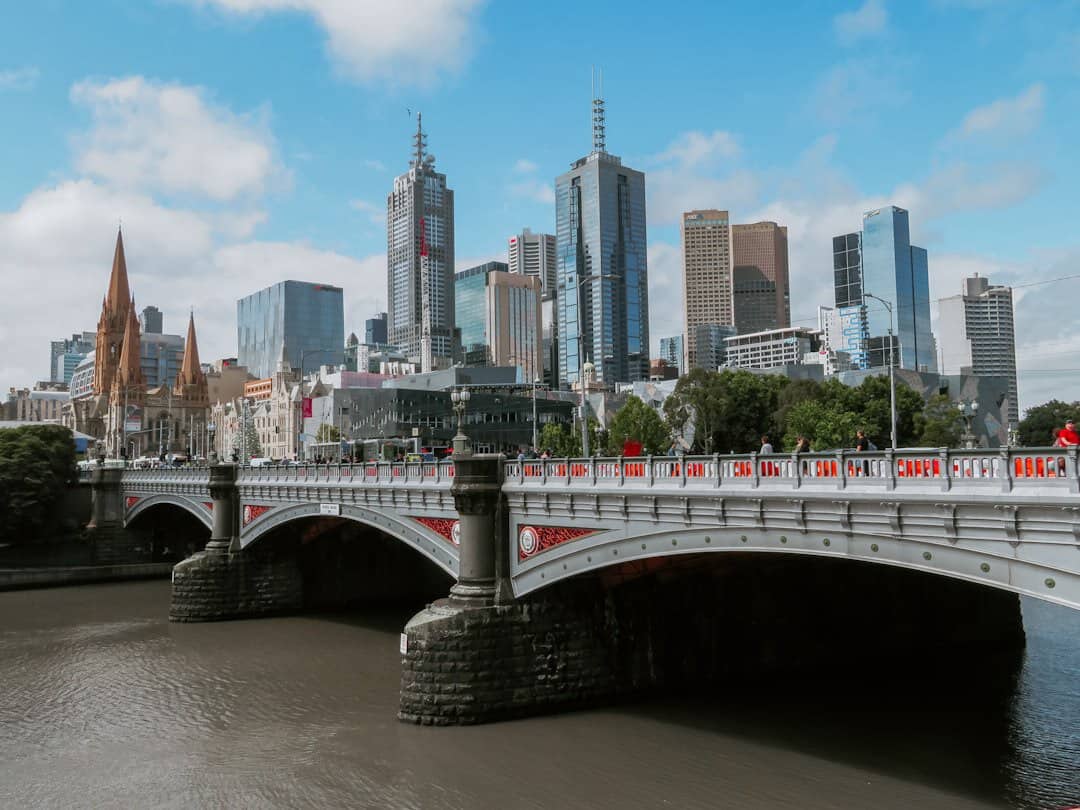
Melbourne is the cultural capital of Australia, home to a thriving arts scene that encompasses visual arts, performing arts, music, film, and literature. The National Gallery of Victoria, or NGV, is the oldest and largest art gallery in Australia, with its main building on St Kilda Road housing an extensive collection of over 70,000 works. The Ian Potter Centre at Federation Square is dedicated to Australian art. The Arts Centre Melbourne, located on the south bank of the Yarra River, is a performing arts complex that includes the State Theatre, the Playhouse, and the Hamer Hall concert venue, home to the Melbourne Symphony Orchestra. ACMI, the Australian Centre for the Moving Image, is a museum dedicated to film, television, and video games. The city is also home to a vibrant live music scene, with iconic venues including the Corner Hotel in Richmond, the Northcote Social Club, the Tote Hotel in Collingwood, and the Forum Theatre in the CBD. Melbourne hosts the Melbourne International Arts Festival, the Melbourne International Comedy Festival (the largest comedy festival in the Southern Hemisphere), and the Melbourne Writers Festival, attracting artists and audiences from around the world.
Neighbourhoods
Melbourne is a city of distinctive neighbourhoods, each with its own character and atmosphere. Fitzroy, located just northeast of the CBD, is known for its bohemian vibe, street art, vintage clothing stores, independent bookshops, and some of the best dining and drinking in the city. St Kilda, on the shores of Port Phillip Bay, is the beachside suburb of Melbourne, featuring the iconic St Kilda Pier, Luna Park amusement park, Acland Street cake shops, and the lively Esplanade Hotel music venue. Collingwood has transformed from an industrial suburb into a hub of craft breweries, galleries, and modern Australian restaurants. Brunswick is a multicultural melting pot with Middle Eastern and Mediterranean grocers, factory outlet shopping, and a thriving music scene. South Yarra and Prahran are known for high end shopping on Chapel Street, the historic Prahran Market, and stylish cocktail bars. Williamstown, in the inner west, offers a historic maritime village atmosphere with beaches, parks, and harbour views across to the city skyline. Richmond is the home of the MCG and offers a mix of Vietnamese restaurants on Victoria Street and the popular Bridge Road shopping strip.
Day Trips and Nature
Melbourne is perfectly located for some of Australia most spectacular day trips and natural attractions. The Great Ocean Road, a 243 kilometre coastal drive starting just west of Melbourne, is one of the most scenic drives in the world, featuring the iconic Twelve Apostles limestone stacks, Loch Ard Gorge, the Great Otway National Park, and the surf beaches of Torquay and Bells Beach. The Mornington Peninsula, a one hour drive south of the city, offers beautiful beaches, hot springs, wineries, and the dramatic coastal scenery of Cape Schanck and the Sorrento back beaches. The Yarra Valley, a one hour drive east, is one of Australia premier wine regions, known for its Chardonnay, Pinot Noir, and sparkling wines. The Dandenong Ranges, a 45 minute drive east, offer temperate rainforest, towering mountain ash trees, the famous Puffing Billy steam railway, and charming villages like Sassafras and Olinda. Phillip Island, a two hour drive south east, is famous for the Penguin Parade, the nightly return of little penguins to their burrows on Summerland Beach, as well as the Phillip Island Grand Prix circuit and the Nobbies boardwalk. The Grampians National Park, a three hour drive west, offers rugged mountain ranges, Aboriginal rock art sites, and spectacular wildflower displays in spring.
Parks and Gardens
Melbourne is known for its extensive network of parks and gardens, which cover approximately 26 percent of the municipality. The Royal Botanic Gardens Victoria, covering 38 hectares on the south bank of the Yarra River, is considered one of the finest botanic gardens in the world. It features over 8,500 plant species, including a significant collection of Australian native plants, the National Herbarium of Victoria with over 1.4 million specimens, and the Ian Potter Foundation Children Garden. The gardens are free to enter and offer guided walks, Aboriginal heritage tours, and seasonal events. The Fitzroy Gardens, located on the eastern edge of the CBD, are one of Melbourne most historic parks, featuring the iconic Conservatory, Cook Cottage (relocated from England in 1934), model Tudor village, and the Fairies Tree. Carlton Gardens, a UNESCO World Heritage site, surrounds the Royal Exhibition Building and features the historic Hochgurtel Fountain and the Exhibition Fountain. Albert Park, located south of the city centre, features a 2.5 kilometre lake, walking and cycling paths, sporting facilities, and is famously transformed annually into the Albert Park Grand Prix Circuit for the Formula 1 Australian Grand Prix. The Yarra River parklands, including Birrarung Marr, offer walking and cycling trails along the river through the heart of the city.
Shopping
Melbourne offers world class shopping, from international luxury brands to independent boutiques and thriving market culture. Chadstone Shopping Centre, known as the Fashion Capital, is the largest shopping centre in the southern hemisphere with over 550 stores, luxury brands, a hotel, and a dining precinct. The Bourke Street Mall is the main shopping strip in the CBD, home to major Australian department stores like Myer and David Jones, as well as international flagships. The Collins Street precinct offers luxury shopping with brands like Louis Vuitton, Gucci, Prada, and Tiffany and Co. Chapel Street in South Yarra and Prahran is one of the longest shopping strips in Australia, spanning over three kilometres with a mix of high end fashion, vintage stores, and homewares. The Queen Victoria Market, with its general merchandise sheds and fresh produce halls, offers a uniquely Melbourne shopping experience. Emporium Melbourne and Melbourne Central are two major shopping centres in the CBD, connected by laneways and arcades, that house hundreds of specialty stores and dining options. The city also has a thriving market culture, including the Camberwell Sunday Market, the Arts Centre Sunday Market, and the Rose Street Artists Market in Fitzroy.
Travellers planning a multi-city route can compare Melbourne with Sydney travel guide, Adelaide travel guide, and Perth travel guide.

Author: Susan
G'day mates! I'm Susan, a feisty Aussie writer with a love for all things quirky and unconventional. When I'm not pounding away at my keyboard, you can find me binge-watching 'The Bold and the Beautiful' (don't judge me), or trying to teach my pet koala how to do the cha-cha. My writing style can best be described as a mix of sass and wit, with a dash of down-under charm. So if you're in the mood for a good time and a good yarn, give my work a read!